This post contains affiliate links. As an Amazon Associate, I earn from qualifying purchases at no extra cost to you.
A beautiful backyard garden does not have to mean endless weekends of weeding, watering and pruning. With good planning and the right plant choices, even a beginner can create a backyard that looks lush and welcoming while needing only a little care each week.
The secret is to design before you dig. Understanding your sunlight, soil and how you want to use the space helps you put the right plants in the right places, choose durable hardscaping and set up smart systems like mulch and drip irrigation that do much of the work for you.
This beginner’s guide walks you through 12 simple steps to plan a beautiful, low-maintenance backyard garden, from sketching a plan to adding the finishing touches. Each step includes practical tips and helpful tools.
Assess Your Backyard Before You Plan
Track the sun. Note which areas get full sun (6+ hours), part sun (3 to 6 hours) or shade throughout the day. This decides what will grow well where.
Check your soil. A simple soil test shows pH and nutrients, and digging a hole tells you whether you have sandy, loamy or clay soil.
Note drainage, slopes, existing trees, views you want to keep or hide, and how you want to use the yard: dining, play, growing food or relaxing.
Principles of Low-Maintenance Design
Choose plants suited to your climate and conditions, especially native and drought-tolerant varieties. They need less water, fertilizer and fuss.
Reduce lawn where it is hard to maintain, and replace it with beds, ground covers or hardscaping.
Group plants with similar water needs together, and use mulch and drip irrigation to cut watering and weeding time.
12 Steps to a Beautiful, Low-Maintenance Backyard Garden
Follow these steps in order, from planning and structure to planting and finishing touches. You can complete them over a single season or spread them out over a few years.
Plan the Layout
1. Start With a Plan
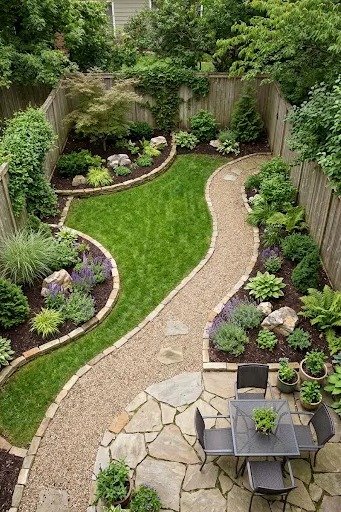
Every great garden starts with a plan. Sketch your backyard on graph paper, marking the house, fences, trees, patios, sunny and shady areas and anything you want to keep.
Then draw in zones for different uses, such as a vegetable garden, a seating area, flower beds and a lawn. Keep paths at least 3 feet wide so they are comfortable to walk.
A simple plan helps you avoid costly mistakes and makes it easier to build the garden in stages.
Pro tip: Take photos of your yard from the house and use tracing paper over them to test ideas.

2. Choose a Focal Point
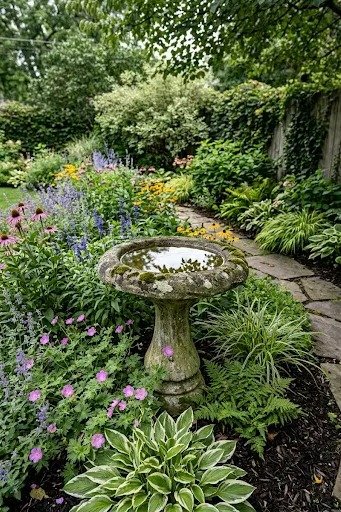
A focal point draws the eye and gives the garden a sense of purpose. It might be a birdbath, a sculpture, a small tree, a bench or a beautiful planter.
Place it where it can be seen from the house or the main seating area, often at the end of a path or the center of a bed.
One strong focal point is better than many small ones.
Pro tip: Choose a focal point that looks good in all seasons, like a stone birdbath or evergreen tree.

Build the Structure
3. Create Defined Garden Beds
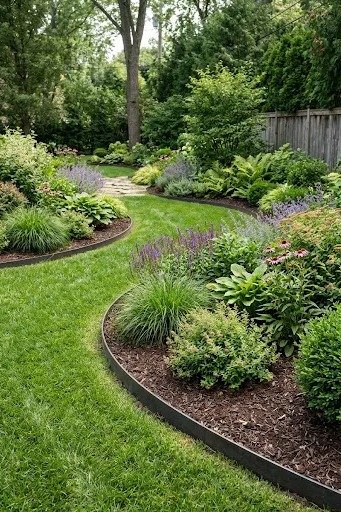
Defined garden beds make a backyard look tidy and intentional. Curved beds feel natural and relaxed, while straight beds feel formal and modern.
Edge beds with metal, stone or brick edging to keep grass from creeping in and to make mowing easier.
Deep beds, at least 4 to 6 feet, allow you to layer plants by height.
Pro tip: Use a garden hose to lay out curved bed shapes before digging.

4. Add Paths and Hardscaping

Paths and hardscaping give the garden structure and reduce the amount of lawn and planting you need to maintain. Gravel, stepping stones and pavers are all durable choices.
Plan paths to connect key areas, like the patio, garden beds and shed.
Hardscaping looks good year-round, even in winter.
Pro tip: Lay landscape fabric under gravel paths to keep weeds down.

Plant Smart
5. Raised Beds for Vegetables and Herbs
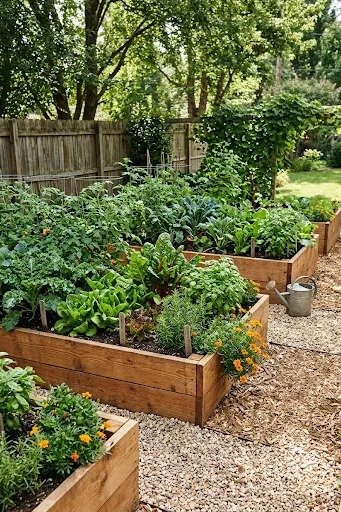
Raised beds are ideal for growing vegetables and herbs. They warm up faster in spring, drain well and are easier on your back.
Cedar beds are long-lasting and naturally rot-resistant. Fill them with a mix of topsoil and compost.
Place raised beds in full sun for the best harvest.
Pro tip: Keep raised beds no wider than 4 feet so you can reach the middle from either side.

6. Plant Low-Maintenance Perennials
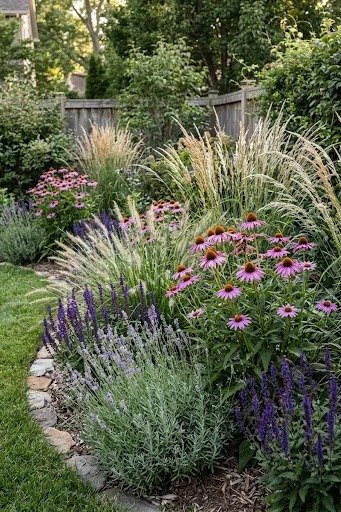
Low-maintenance perennials come back every year and need little care once established. Coneflowers, lavender, salvia, black-eyed Susans, sedum and ornamental grasses are great choices.
Plant in groups of three or five for a natural, full look.
Choose plants with different bloom times for color from spring to fall.
Pro tip: Native perennials attract pollinators and usually need less water and fertilizer.

7. Use Mulch to Save Time
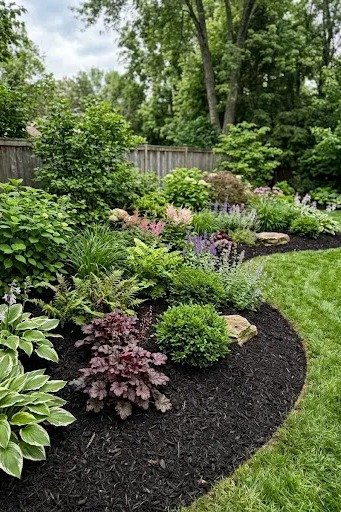
Mulch is one of the best time-savers in the garden. A 2 to 3 inch layer suppresses weeds, keeps soil moist and regulates soil temperature.
Shredded bark, wood chips and pine straw all work well and break down to improve the soil.
Refresh mulch once a year in spring.
Pro tip: Keep mulch a few inches away from plant stems and tree trunks to prevent rot.

Save Time and Water
8. Install Drip Irrigation
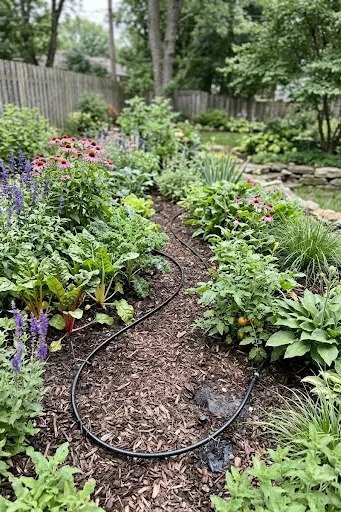
Drip irrigation delivers water directly to plant roots, saving water and time. It reduces disease by keeping leaves dry.
A simple kit with tubing and emitters is easy to install, and a timer automates watering.
Drip irrigation is especially helpful for raised beds and containers.
Pro tip: Water early in the morning to reduce evaporation.

9. Add Shrubs for Structure
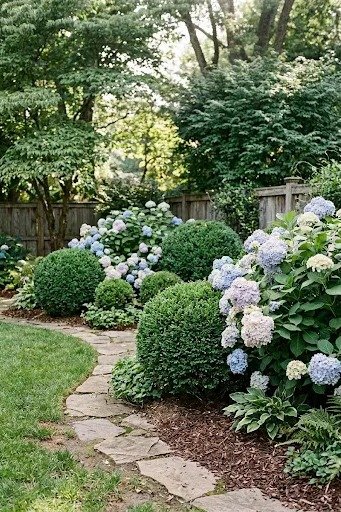
Shrubs give the garden structure, height and year-round interest. Evergreens like boxwood and holly provide green in winter, while hydrangeas and spirea add flowers.
Use shrubs as a backdrop for perennials or to create privacy.
Choose varieties sized for the space to avoid constant pruning.
Pro tip: Prune flowering shrubs right after they bloom to avoid cutting off next year’s buds.

Finishing Touches
10. Create a Seating Area
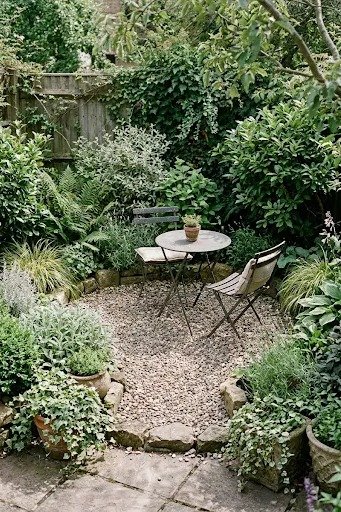
A seating area invites you to enjoy your garden. Even a small gravel patio with a bistro set can become a favorite spot.
Place seating where you can enjoy the view, the shade or the evening sun.
Add a few containers or a small table for drinks.
Pro tip: Surround seating with fragrant plants like lavender or roses.

11. Attract Pollinators
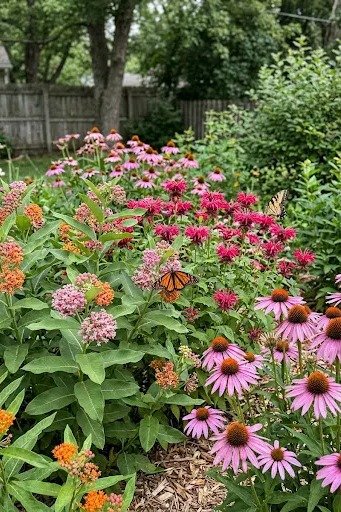
Pollinator plants attract bees, butterflies and hummingbirds, making the garden lively and healthy. Milkweed, bee balm, coneflowers and salvia are favorites.
Avoid pesticides and include a shallow water source.
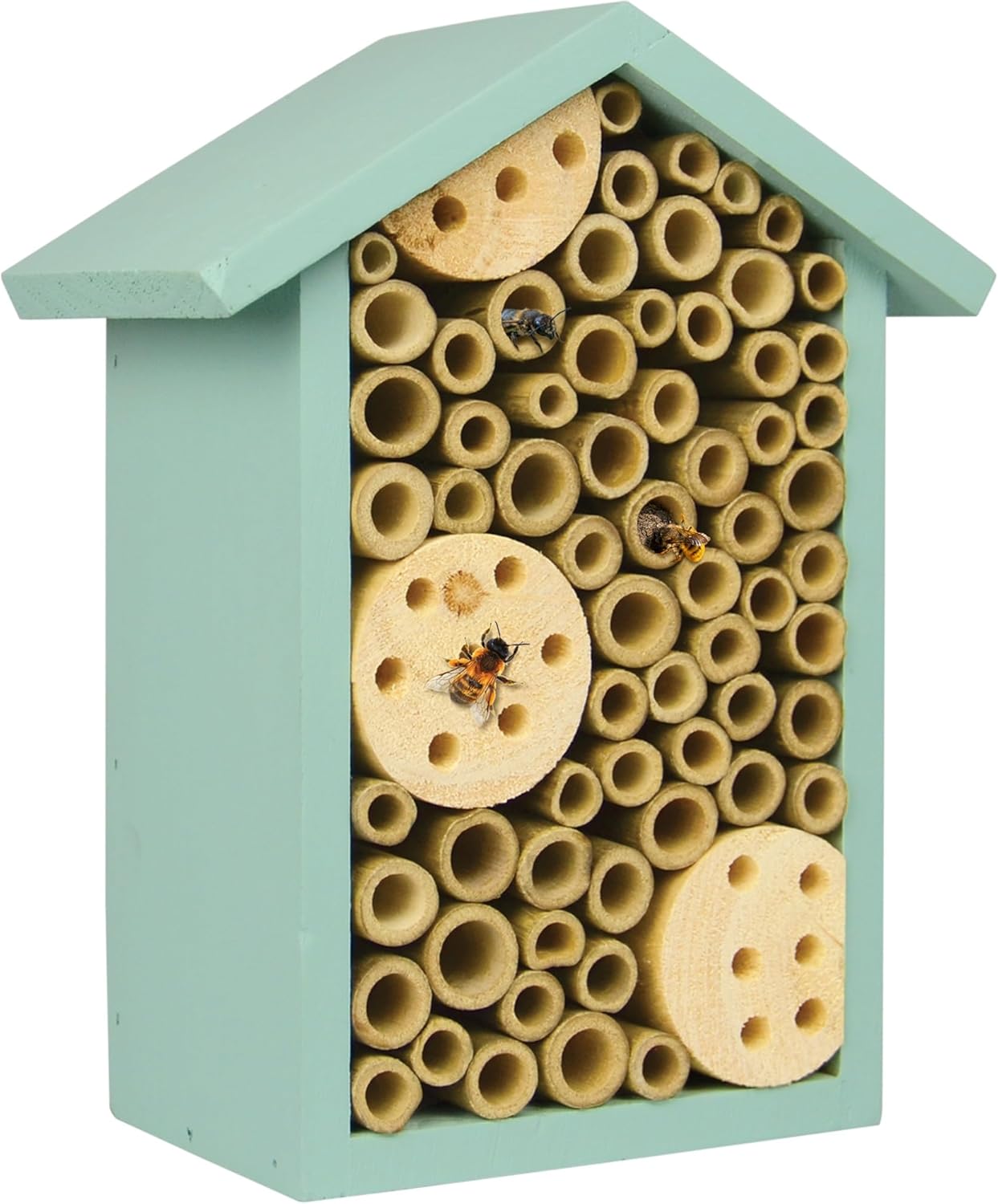
A bee hotel provides shelter for native solitary bees.
Pro tip: Plant flowers in clumps so pollinators can find them easily.
12. Add Solar Lighting
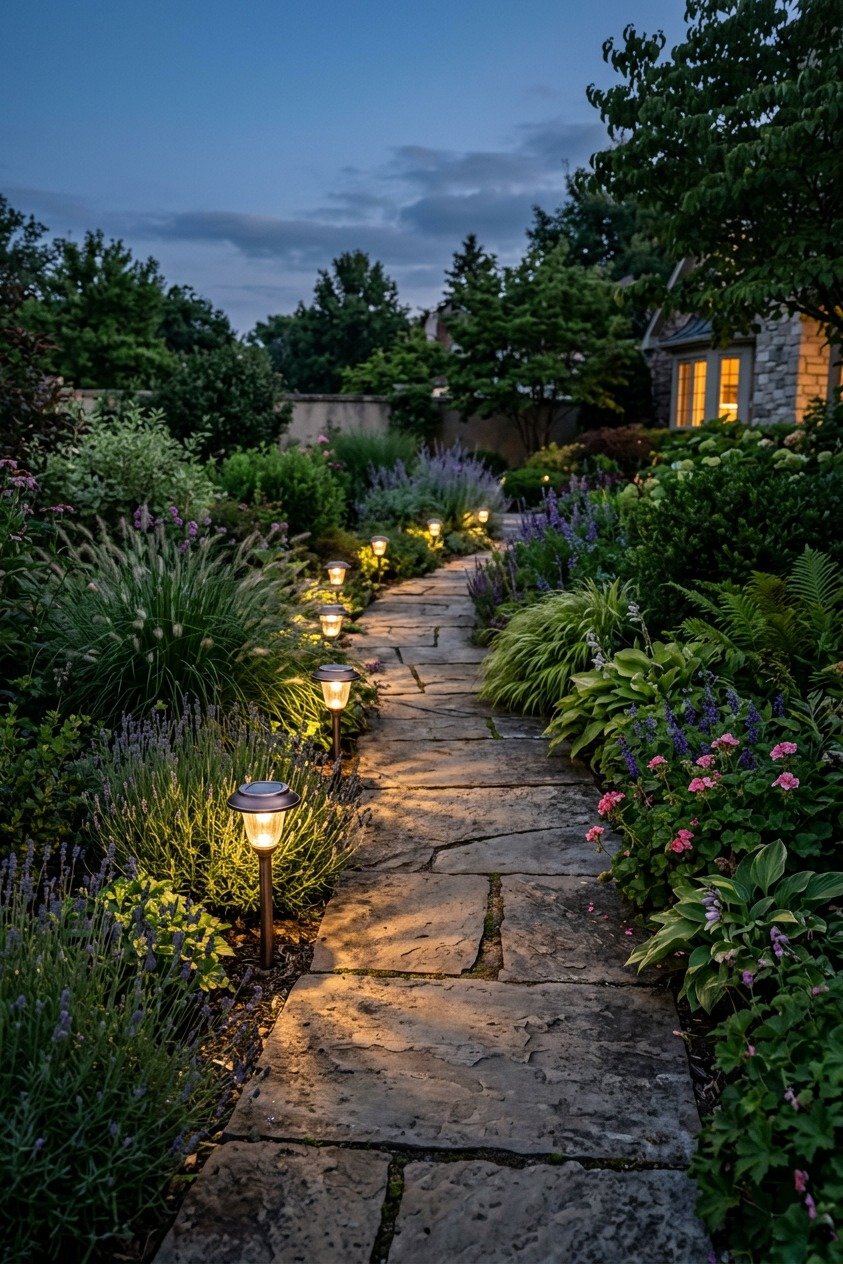
Solar lighting adds beauty and safety in the evening. Path lights, spotlights and string lights need no wiring.
Use them to light paths, highlight focal points and make seating areas cozy.
Solar lights are an easy, affordable final touch.
Pro tip: Place solar lights where they get full sun during the day.

Simple Seasonal Maintenance Routine
Spring: clean up beds, add compost and mulch, divide perennials and set up irrigation.
Summer: water deeply when needed, deadhead flowers and pull weeds while they are small.
Fall: plant bulbs, trees and shrubs, cut back spent perennials if desired and leave seed heads for birds.
Winter: plan improvements, order seeds and clean tools.
Frequently Asked Questions
How do I start designing my backyard garden?
Start by observing sun and shade, testing soil and listing how you want to use the space. Then sketch a simple plan with zones, paths and beds before buying plants.
What are the best low-maintenance plants for beginners?
Native perennials like coneflowers, black-eyed Susans and salvia, plus lavender, sedum, ornamental grasses and shrubs like boxwood and hydrangea are great choices.
How can I make my garden low maintenance?
Choose plants suited to your climate, reduce lawn, mulch beds, use drip irrigation and add durable hardscaping like gravel paths and patios.
How much does it cost to design a backyard garden?
Costs vary widely. A DIY garden with perennials, mulch and gravel paths can cost a few hundred dollars, while professional landscaping with patios can cost thousands.
Final Thoughts
Designing a beautiful, low-maintenance backyard garden is easier than it looks when you start with a plan. By understanding your space, creating structure with beds and paths, choosing the right plants and using time-saving systems like mulch and drip irrigation, you can enjoy a garden that looks great with little effort.
Take it one step at a time, and remember that gardens grow and improve each year.