Spring gets all the attention, but fall is one of the best times to plant roses. The soil is still warm from summer, the air is cooler, and autumn rain helps new plants settle in. Roses planted in fall spend the cooler months growing roots instead of leaves and flowers, so they burst into growth the following spring.
This guide walks you through everything you need to know, from when to plant in your climate to choosing the right rose, preparing the soil and protecting new plants through their first winter. Follow the 10 steps below and you’ll have a healthy rose garden ready to bloom next year.
Disclosure: As an Amazon Associate we earn from qualifying purchases. If you buy through our links, we may earn a small commission at no extra cost to you.
Why Plant Roses in Fall?
Warm soil encourages strong root growth, while cooler air temperatures reduce stress on the plant. Unlike spring planting, you’re not fighting summer heat and drought while the rose is trying to establish.
Fall is also a great time to find roses on sale at garden centers, and many specialty growers ship bare-root roses for fall planting in mild climates.
The key is timing. Roses need several weeks to grow roots before the ground freezes, so planting too late can leave them vulnerable to winter damage.
When to Plant Roses in Fall
Aim to plant about six weeks before your first hard frost, when the ground typically starts to freeze. That gives roots time to grow into the surrounding soil.
| Climate | Typical fall planting window |
|---|---|
| Cold climates (USDA zones 3–5) | Late August to mid-September, or wait until spring |
| Moderate climates (zones 6–7) | September to mid-October |
| Mild climates (zones 8–10) | October to December |
Check your local average first frost date with your county extension office, as conditions vary even within zones.
1. Choose the Right Rose for Your Climate
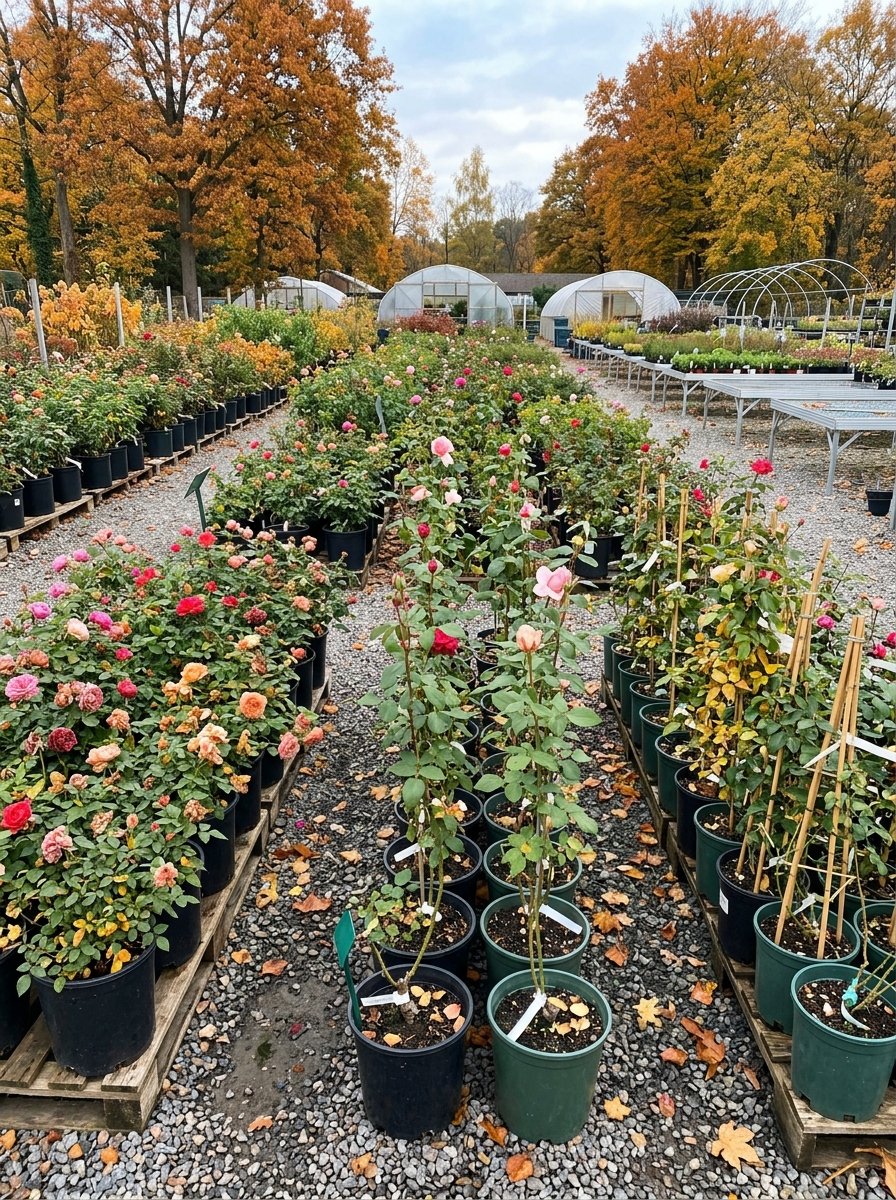
Not all roses are equally hardy. Before you buy, check the rose’s hardiness rating and make sure it suits your USDA zone. Shrub roses and many modern landscape roses are bred to be tough and disease-resistant, making them ideal for beginners.
Hybrid teas offer classic long-stemmed blooms but need more care. Floribundas produce clusters of flowers and are great for color. Climbing roses work beautifully on fences and arbors.
Look for varieties labeled disease-resistant to reduce problems with black spot and powdery mildew, especially in humid climates.
Some of the most reliable easy-care roses include shrub and landscape roses, rugosa roses, and many modern English-style roses. If you live in a cold climate, look for roses rated hardy to at least one zone colder than yours for extra protection. In hot, humid regions, prioritize disease resistance above all else.
2. Decide Between Bare-Root and Container Roses
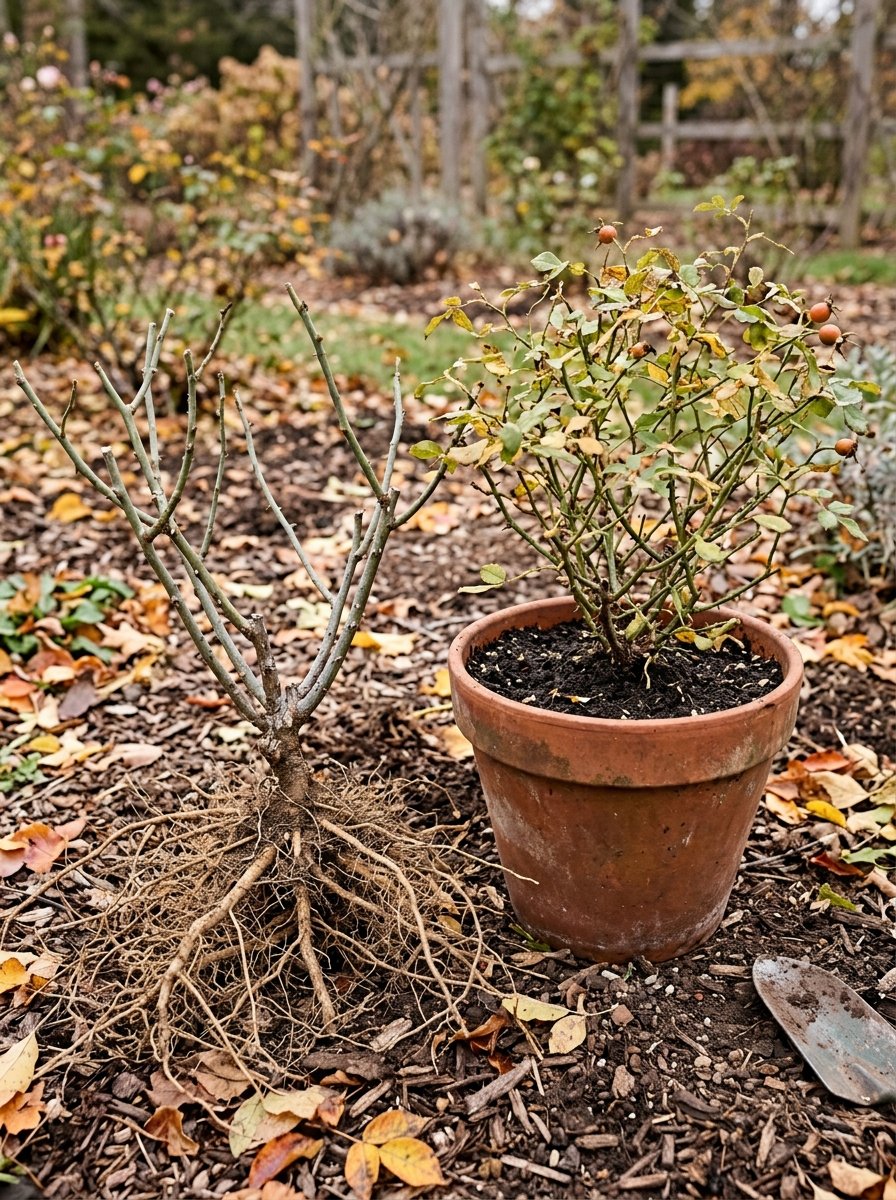
Roses are sold two ways: bare-root (dormant plants with no soil around the roots) and container-grown (growing in pots).
Bare-root roses are cheaper and often available in a wider selection from mail-order growers. They’re best planted while dormant, which makes them ideal for fall planting in mild climates or early spring planting in cold climates.
Container roses can be planted almost any time the ground isn’t frozen. They’re a convenient choice for fall planting because their roots are already established in soil.
When buying bare-root roses, look for plump, green canes with no shriveling, and a healthy, fibrous root system. For container roses, choose plants with healthy foliage and no signs of pests or disease. Avoid plants that are root-bound, with roots circling tightly or growing out of the drainage holes.
3. Pick a Sunny Spot
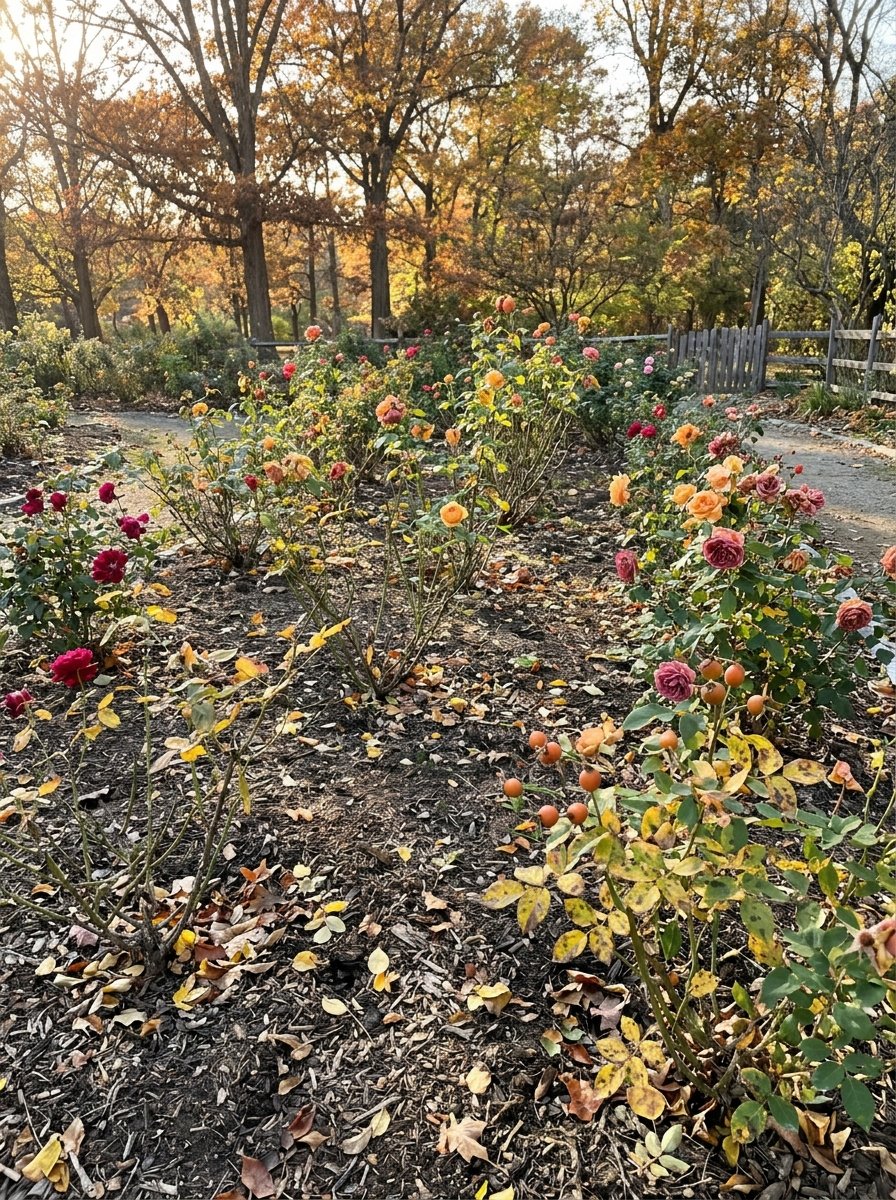
Roses need at least six hours of direct sun a day to bloom well and stay healthy. Morning sun is especially valuable because it dries dew from the leaves and helps prevent fungal diseases.
Avoid planting roses where they’ll compete with tree roots, or in low spots where water collects.
Good air circulation also helps prevent disease, so leave space between plants and avoid crowding them against walls.
If you’re planting several roses, space most shrub and hybrid tea roses about 2 to 3 feet apart, and climbers about 6 to 8 feet apart along a fence. Check the plant tag for the mature width of your variety, as some shrub roses spread much wider.
4. Prepare the Soil
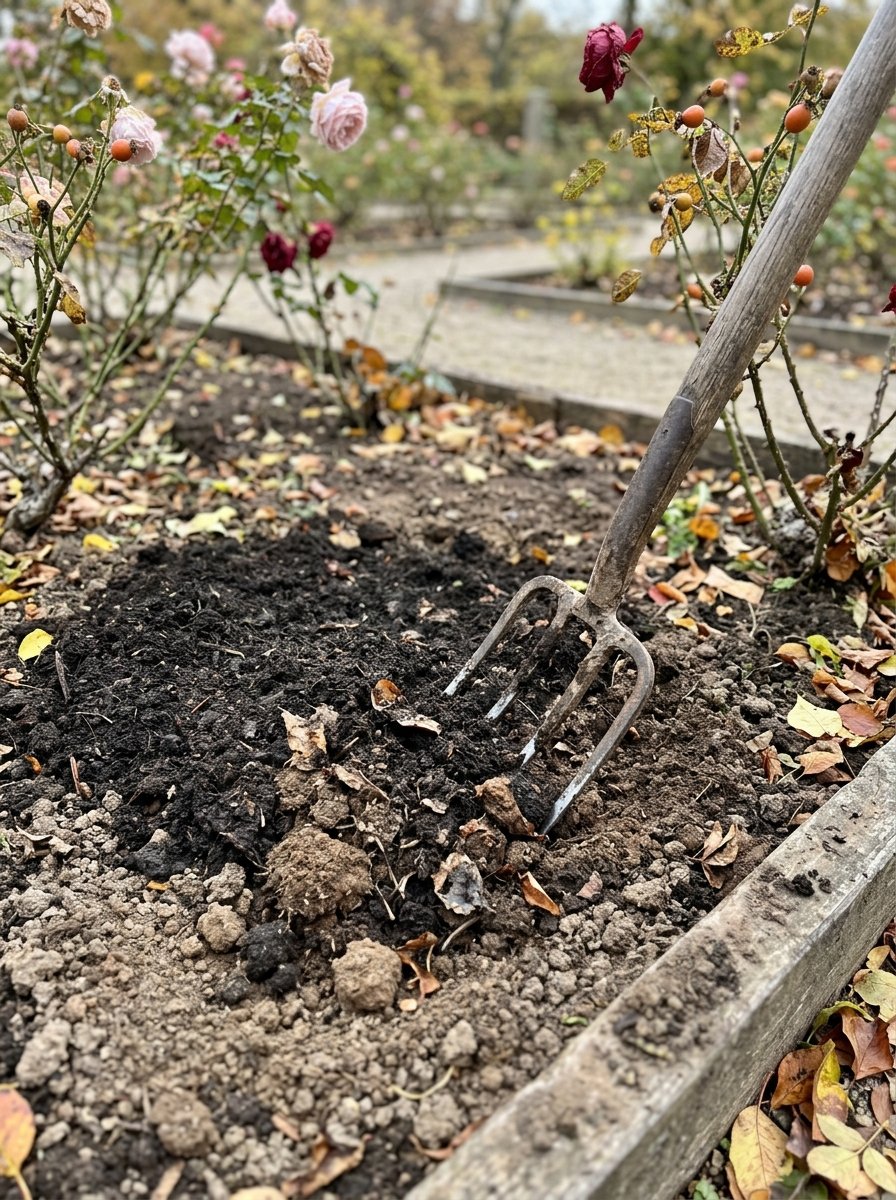
Roses prefer rich, well-drained soil with plenty of organic matter and a slightly acidic pH of around 6.0 to 6.5. A simple soil test will show if you need to adjust the pH.
Loosen the soil in the planting area and mix in compost or well-rotted manure. This improves drainage in clay soils and helps sandy soils hold moisture and nutrients.
If your soil drains poorly, consider planting roses in a raised bed.
If you’re planting in an area where roses grew before, refresh the soil generously or choose a new spot. Roses planted in old rose beds can struggle with a condition known as rose replant disease. Replacing the soil in the planting hole with fresh soil and compost helps new roses get off to a strong start.
5. Soak Bare-Root Roses Before Planting
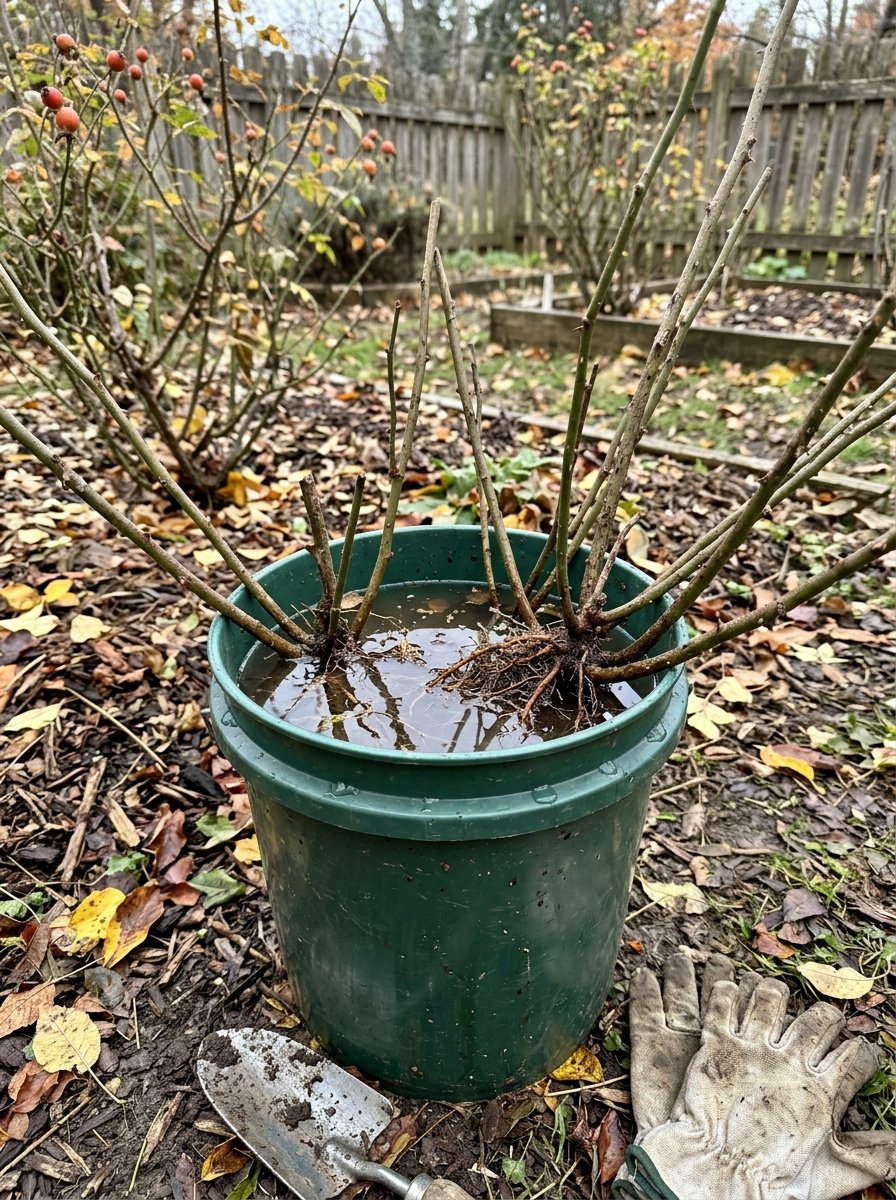
If you’re planting bare-root roses, soak the roots in a bucket of water for several hours, or up to overnight, before planting. This rehydrates the roots after shipping or storage.
While they soak, trim off any broken or damaged roots with clean pruners.
Keep the roots moist and out of the sun until you’re ready to plant.
6. Dig a Wide, Deep Hole
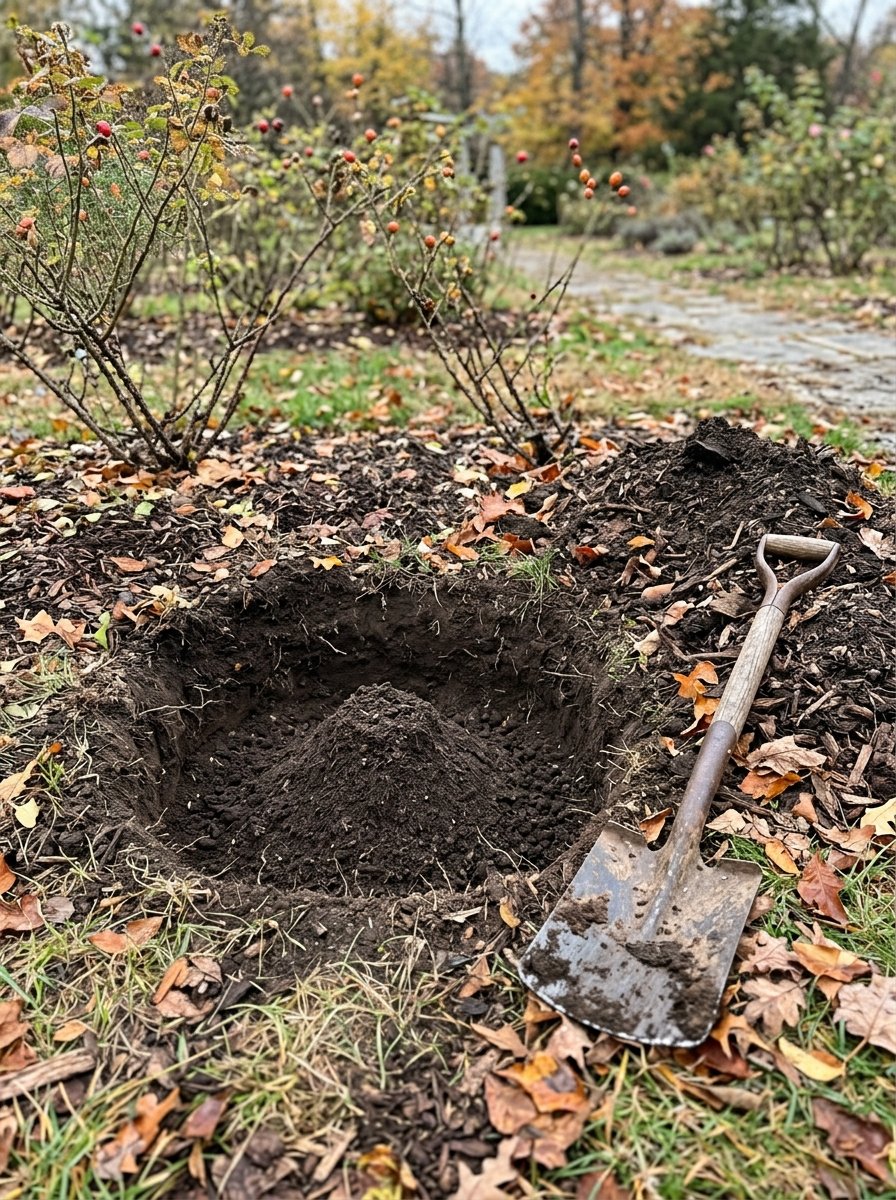
Dig a hole about 18 to 24 inches wide and deep, large enough for the roots to spread out without bending.
For bare-root roses, build a cone of soil in the center of the hole and drape the roots over it.
For container roses, gently loosen the root ball before planting, especially if the roots are circling the pot.
Before you plant, fill the empty hole with water and let it drain. If the water takes more than a few hours to drain away, the site may be too wet for roses, and a raised bed or a different spot would be a better choice.
7. Set the Graft Union at the Right Depth
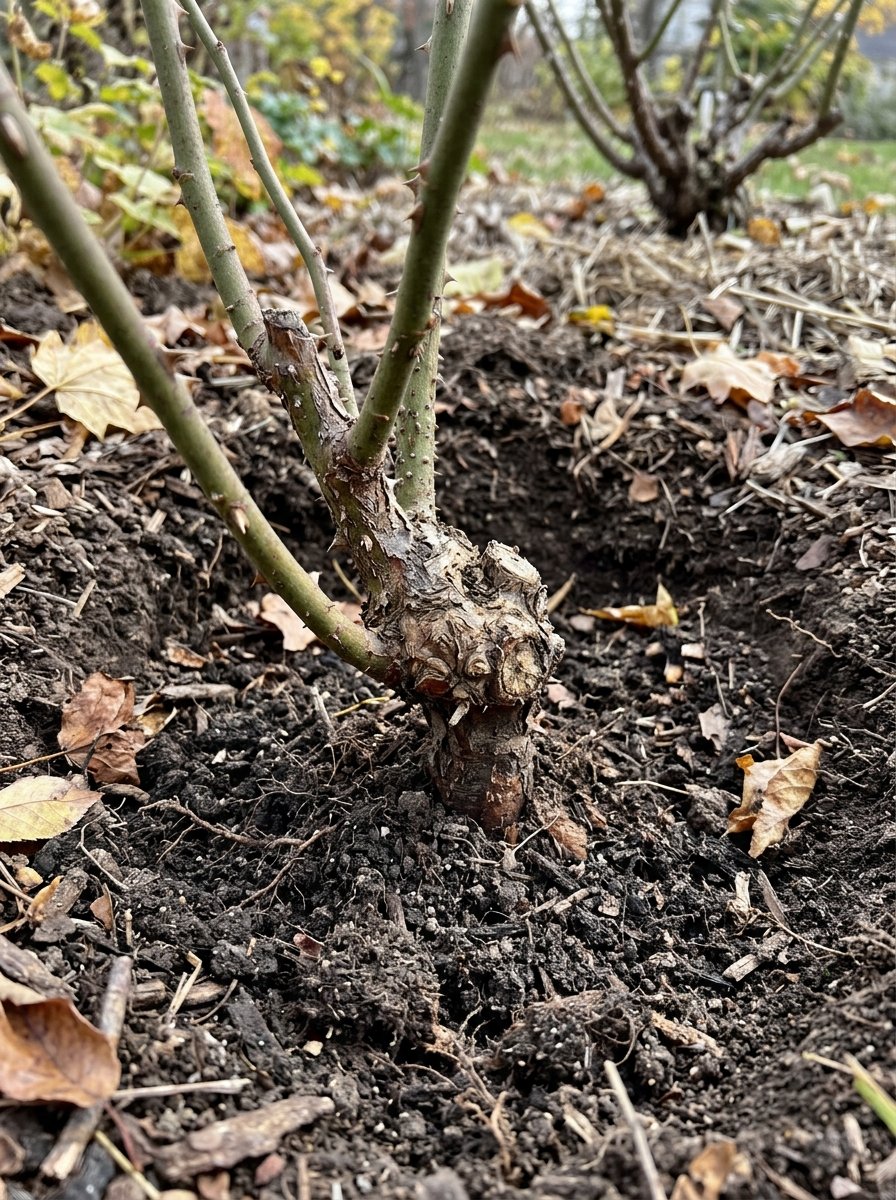
Many roses are grafted onto a hardy rootstock. The graft union is the knobby area where the stems meet the roots.
In mild climates, set the graft union at or just above soil level. In cold climates, plant it about 2 inches below the soil surface to protect it from freezing.
Own-root roses don’t have a graft union and can be planted at the same depth they were growing in the pot.
8. Backfill and Water Deeply
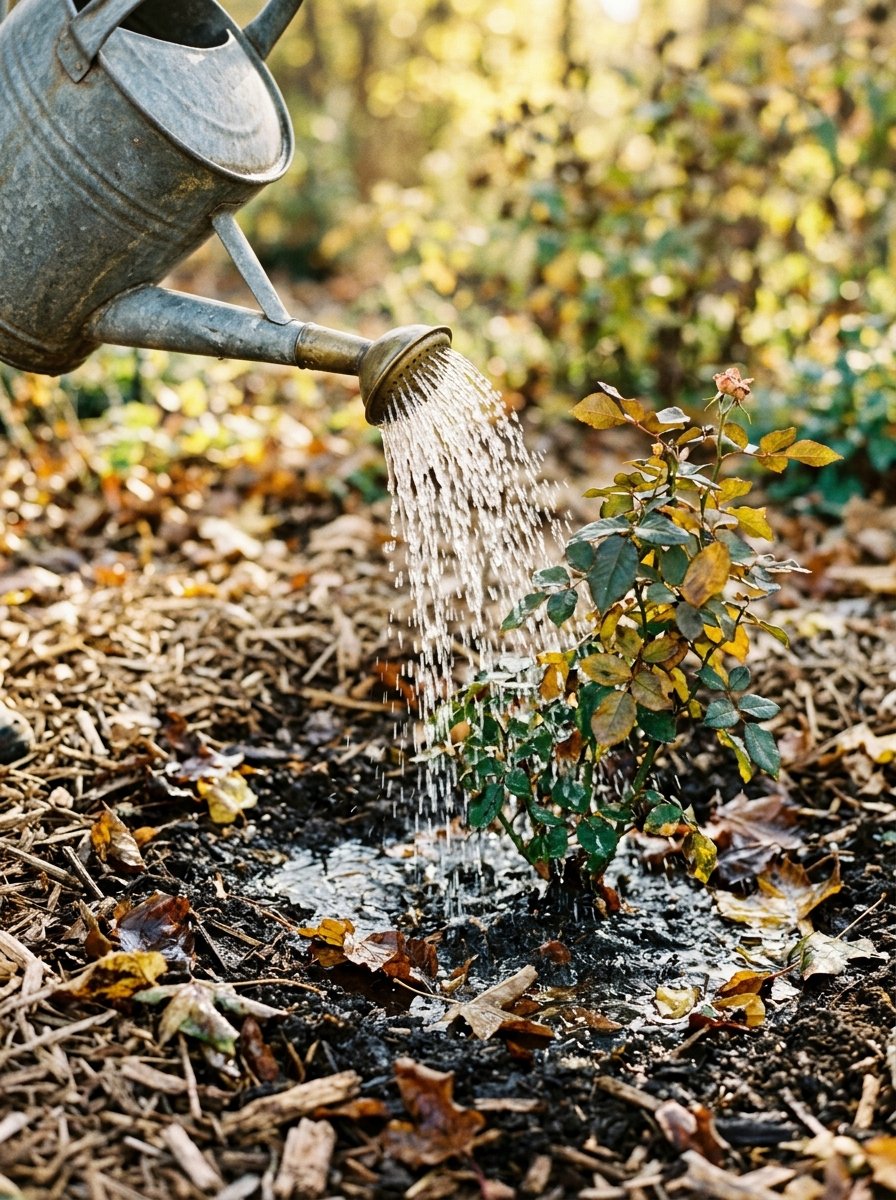
Fill the hole halfway with soil, then water to settle the soil and remove air pockets. Finish filling the hole and water again thoroughly.
New roses need consistent moisture to establish. Water deeply about once a week if it doesn’t rain, until the ground freezes.
Avoid fertilizing newly planted roses in fall, especially with high-nitrogen fertilizers. Fertilizer encourages tender new growth that can be damaged by frost.
A good way to check if your rose needs water is to push your finger about 2 inches into the soil. If it feels dry, it’s time to water. Water at the base of the plant rather than over the leaves to reduce the risk of fungal diseases.
9. Add a Layer of Mulch
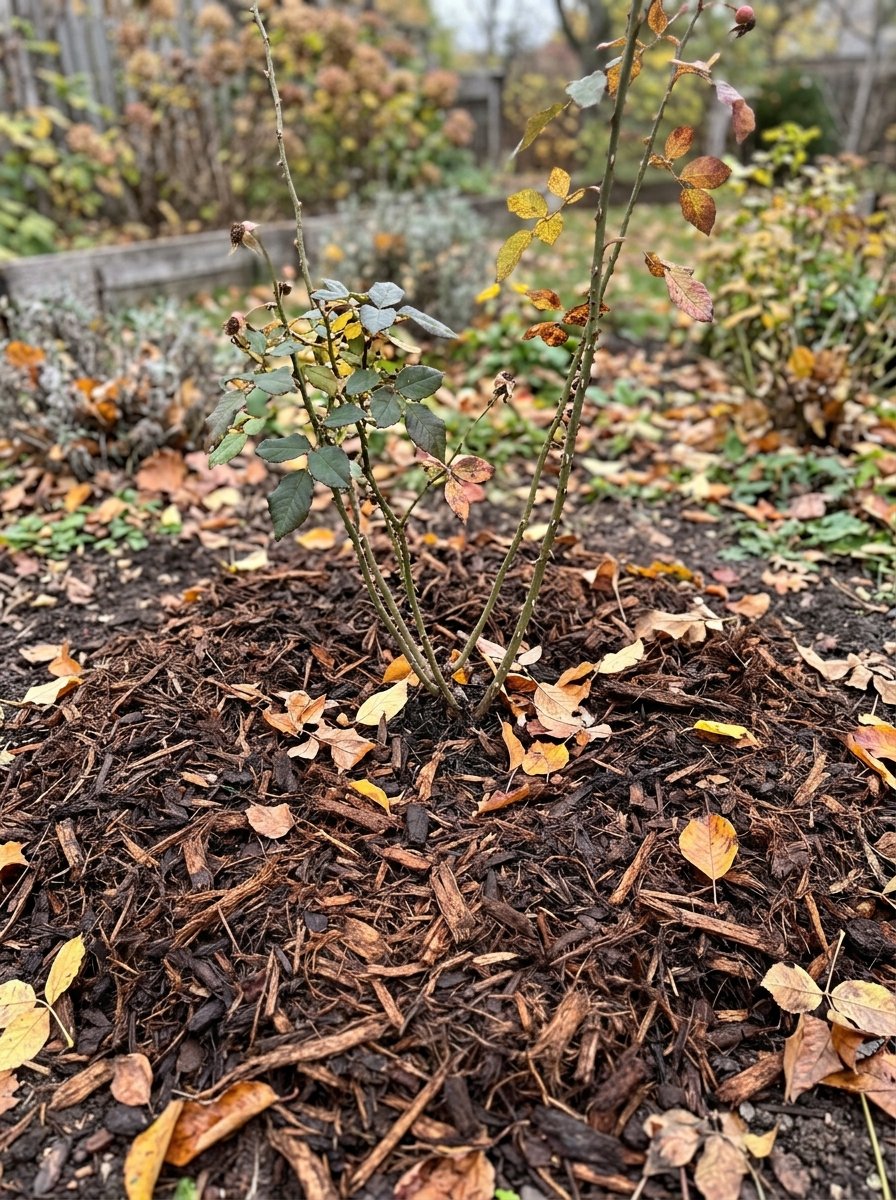
Spread 2 to 3 inches of mulch, such as shredded bark or compost, around the base of the rose, keeping it a few inches away from the canes.
Mulch keeps the soil moist, moderates temperature and suppresses weeds.
It also helps protect roots from repeated freezing and thawing in winter.
Good mulch choices for roses include shredded hardwood bark, pine needles, compost and leaf mold. As mulch breaks down over time, it adds organic matter to the soil, improving its structure and feeding beneficial soil life.
10. Protect Roses Through Their First Winter
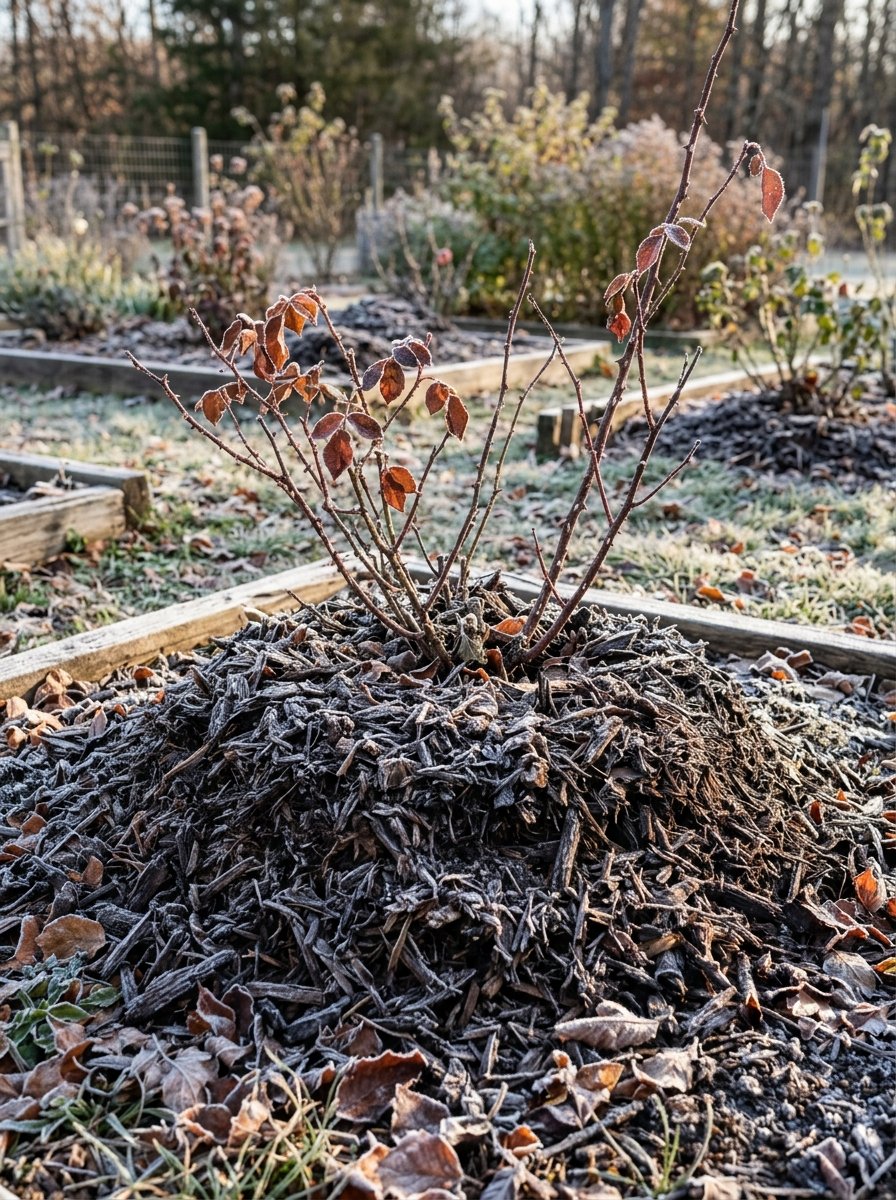
In cold climates, new roses benefit from extra winter protection. After the ground freezes, mound 8 to 12 inches of soil, compost or mulch over the base of the plant to insulate the graft union and lower canes.
Remove the mound gradually in spring as temperatures warm.
Wait until early spring to prune roses. Pruning in fall can stimulate new growth that won’t survive the winter.
In very cold areas, you can also wrap climbing rose canes in burlap or tie them together to protect them from drying winds. In mild climates, roses usually need little more than a layer of mulch for winter protection.
Fall Rose Care Tips
Continue watering until the ground freezes, especially if the fall is dry. Remove fallen leaves from around the base of roses to reduce disease.
Stop deadheading established roses in early fall. Letting rose hips form signals the plant to prepare for dormancy.
In spring, remove winter protection, prune out dead or damaged canes, and begin regular feeding as new growth appears.
Tools and Supplies You’ll Need
A sharp spade or shovel, a garden fork, bypass pruners, gloves (rose gloves with long cuffs protect your arms from thorns), a bucket for soaking bare-root roses, compost or well-rotted manure, mulch, and a watering can or hose.
Optional extras include a soil test kit to check pH, a slow-release rose fertilizer for spring, and plant labels so you remember which variety is planted where.
Common Fall Planting Mistakes
Planting too late. Roses need time to grow roots before the ground freezes. Late planting increases the risk of winter loss.
Fertilizing in fall. Feeding encourages soft new growth that frost can damage. Wait until spring.
Planting at the wrong depth. In cold climates, an exposed graft union can be damaged by freezing temperatures.
Letting roots dry out. Bare-root roses must stay moist from the time you unpack them until they’re in the ground.
Skipping winter protection. New roses in cold climates benefit from a mound of soil or mulch in their first winter.
Companion Plants for a Rose Garden
Companion plants make a rose garden look fuller and can help with pest control. Lavender, catmint, salvia and alliums pair beautifully with roses and attract beneficial insects.
Low-growing plants like lady’s mantle and geraniums can fill gaps around the base of roses, while garlic and chives are said to help deter aphids. Leave enough space around roses for good air circulation.
Frequently Asked Questions
Is it better to plant roses in fall or spring?
Both work. Fall planting gives roses a head start on root growth, while spring planting is safer in very cold climates where the ground freezes early.
How late can you plant roses in the fall?
Plant at least six weeks before the ground freezes. In mild climates, roses can be planted into early winter.
Should I fertilize roses in the fall?
No. Avoid fertilizing in fall because it encourages tender new growth that can be damaged by frost. Resume feeding in spring.
Do I need to prune roses before winter?
Only remove dead, damaged or very long canes that could whip in the wind. Save major pruning for early spring.