
A driveway gate adds security, privacy and a polished look to your property. But prices vary wildly. A simple manual wood gate can cost a few hundred dollars, while a custom automatic iron gate with an intercom can run well over $10,000.
According to 2026 cost data from HomeGuide, automatic driveway gates cost about $1,600 to $13,000 installed, with most homeowners spending around $7,000 for the gate, opener and installation. Angi puts typical automatic gate installation at $2,380 to $8,000.
This guide breaks down where that money goes, from materials and gate style to openers, power and add-ons. It also explains which parts of the job are realistic to do yourself, and how labor savings of $800 to $3,000 or more are possible when you handle the installation.
Disclosure: As an Amazon Associate we earn from qualifying purchases. If you buy through our links, we may earn a small commission at no extra cost to you.
Driveway Gate Cost at a Glance
| Cost item | Typical 2026 range |
|---|---|
| Automatic driveway gate, installed | $1,600 – $13,000 (avg. about $7,000) |
| Automating an existing gate | $400 – $5,500 |
| Gate opener (operator) | $300 – $5,000+ |
| Professional labor | $800 – $3,000+ ($50–$100/hour) |
| DIY gate + opener kit (materials) | $1,200 – $4,000 |
| Permits | $100 – $300 |
Figures are national averages from HomeGuide and Angi 2026 cost guides. Your price will depend on location, gate size, site conditions and local labor rates.
1. Cost by Gate Material
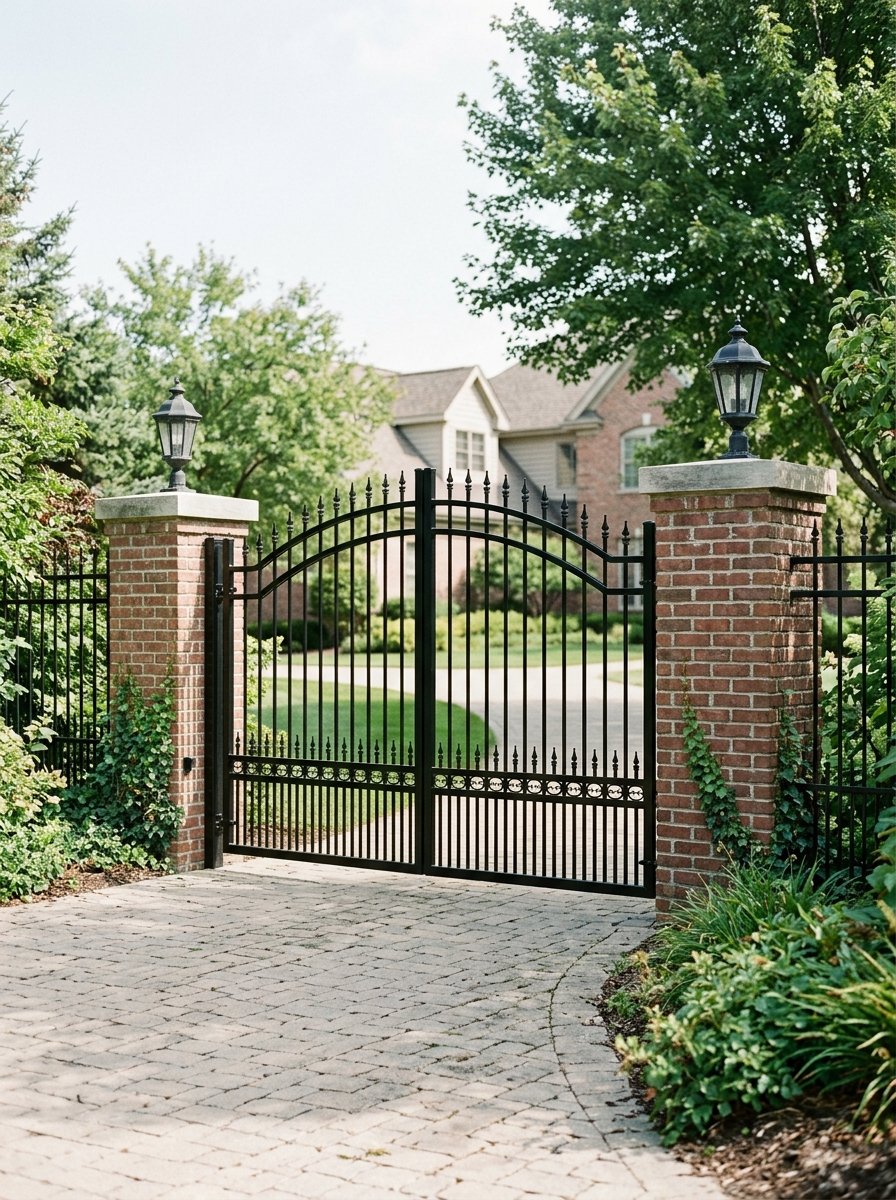
Material is the biggest single factor in the price of the gate itself. It also affects how long the gate lasts and how much maintenance it needs.
| Material | Typical gate cost | Pros | Cons |
|---|---|---|---|
| Vinyl | $350 – $5,000 | Low maintenance, affordable | Less secure, can crack in cold |
| Wood | $400 – $8,000 | Warm, classic look, full privacy | Needs sealing, can warp |
| Wrought iron | $600 – $8,600 | Elegant, very strong | Heavy, can rust without care |
| Steel | $900 – $6,300 | Strong and secure | Needs rust protection |
| Aluminum | $1,500 – $5,000 | Lightweight, rust-resistant | Less strong than steel |
Aluminum is the most popular choice for automatic gates because it is light, which puts less strain on the opener, and does not rust. Wood offers the most privacy, and wrought iron gives the most traditional, high-end look.
2. Cost by Gate Type
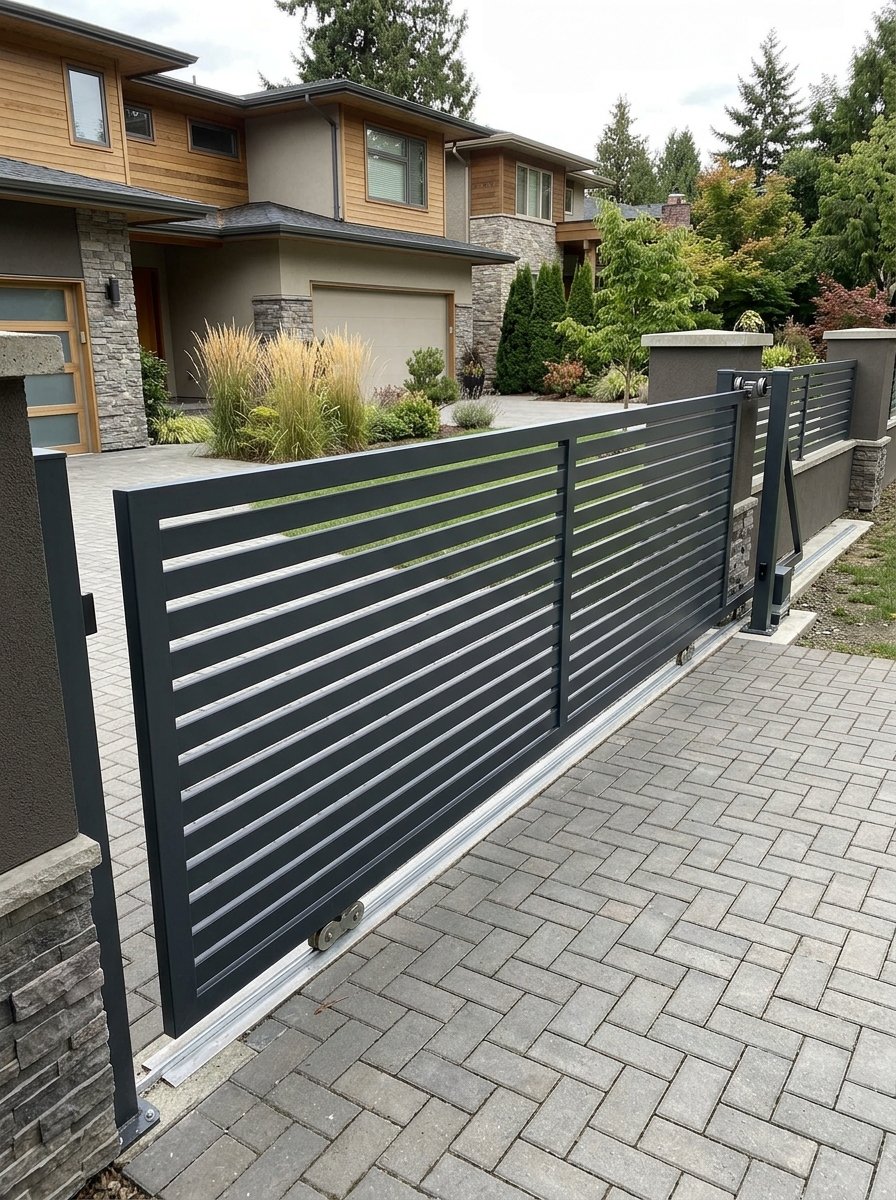
How the gate opens matters as much as what it’s made of. Swing gates are the most common and generally the least expensive, while specialty gates cost more because of extra hardware and structural requirements.
| Gate type | Average 2026 cost | Best for |
|---|---|---|
| Swing | $1,000 – $6,000 | Flat driveways with space to swing |
| Sliding | $1,500 – $5,000 | Sloped driveways, tight spaces |
| Vertical lift | $3,000 – $12,000 | Very tight spaces, high security |
| Bi-fold | $4,000 – $15,000 | Fast opening, compact footprint |
| Cantilever | $6,000 – $10,000 | Uneven ground, no ground track |
If your driveway slopes upward from the street, a swing gate may hit the ground as it opens. In that case, a sliding gate is usually the better choice, even if it costs a little more.
3. Cost by Gate Width
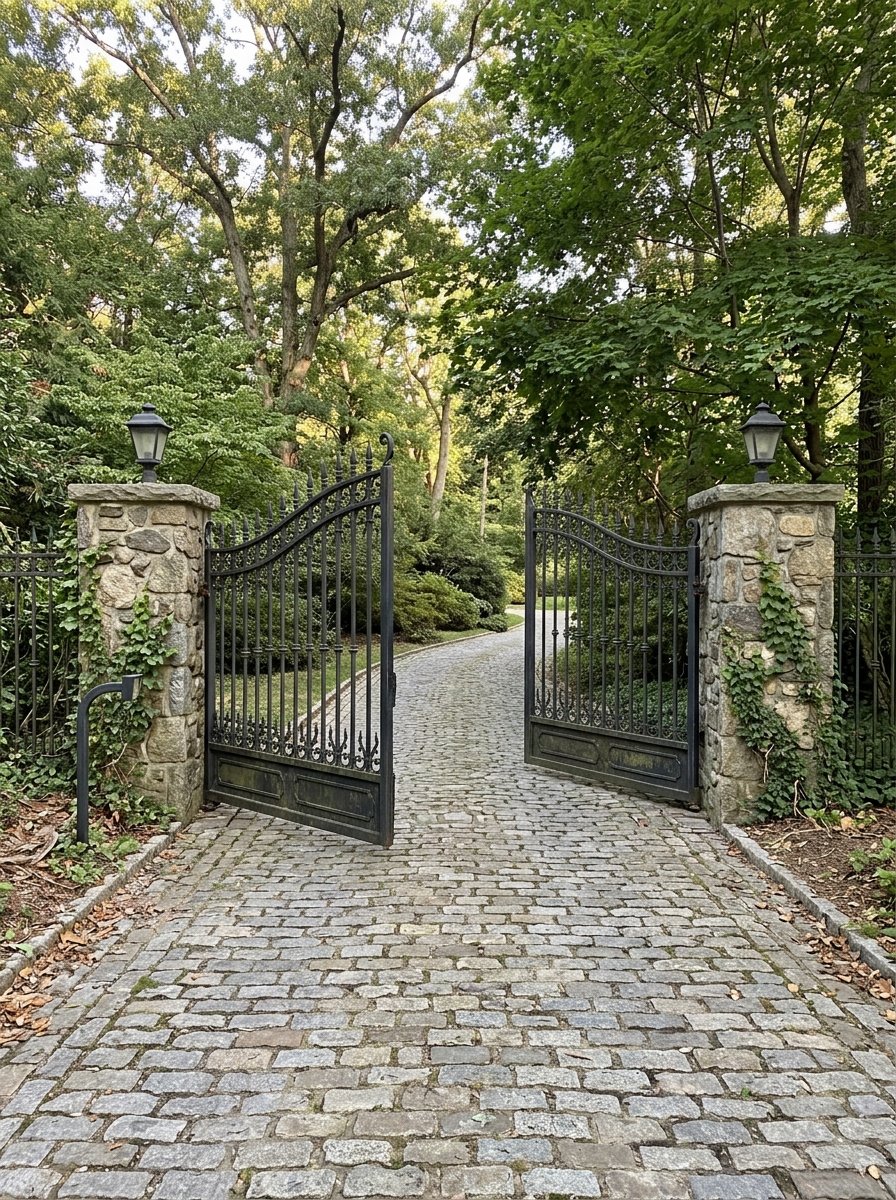
Wider gates need more material, stronger hinges and posts, and a more powerful motor. Most residential driveway gates are between 10 and 16 feet wide.
| Gate width | Average 2026 cost |
|---|---|
| 10 feet | $500 – $3,000 |
| 12 feet | $1,000 – $4,000 |
| 14 feet | $1,200 – $5,000 |
| 16 feet | $1,500 – $6,000 |
A double swing gate (two leaves meeting in the middle) is often used for wider openings because each leaf is lighter and needs less swing space.
4. Gate Opener Cost
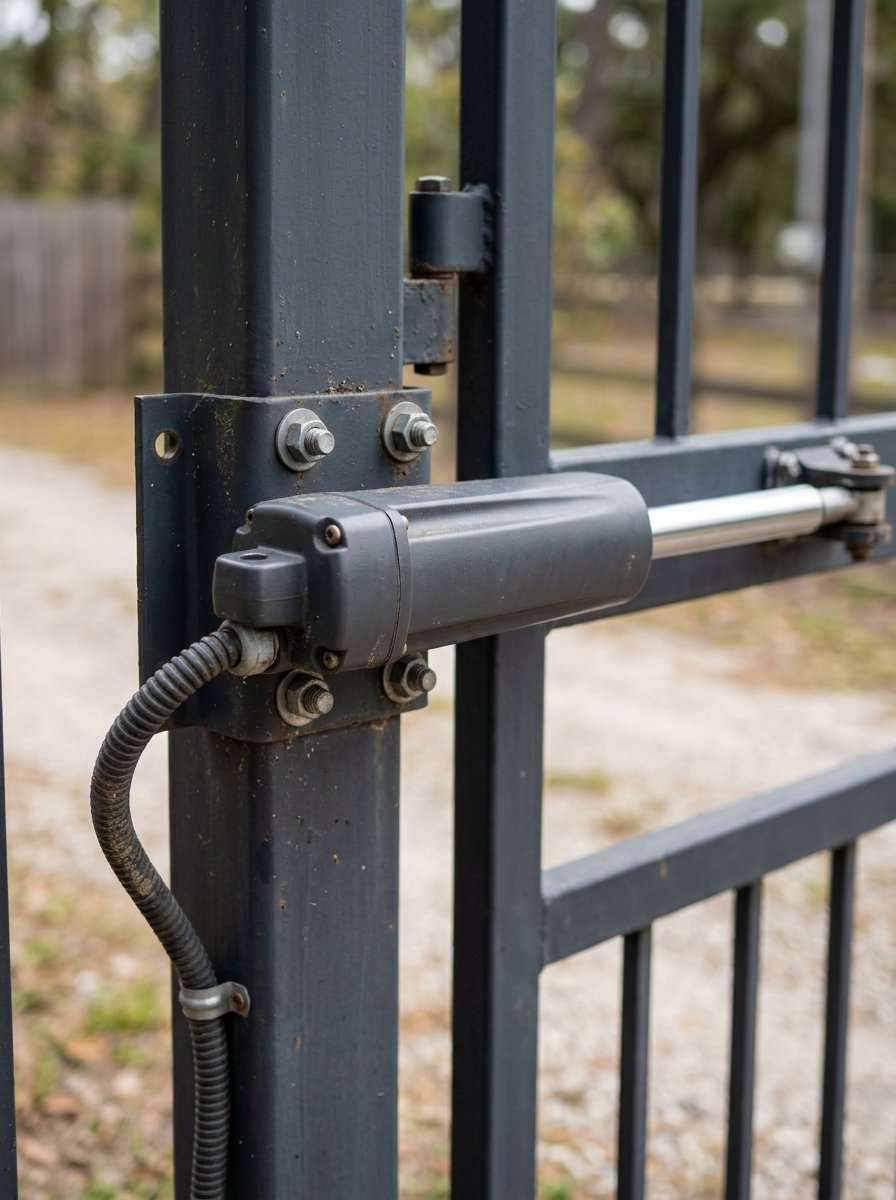
The opener, or gate operator, is what makes a gate automatic. Opener prices range from about $300 to $5,000+, depending on the gate type, weight and duty cycle.
Swing gate openers use an arm or underground motor to push the gate open. Single-leaf openers are cheaper than dual-leaf kits. Sliding gate openers use a chain or gear rack and are typically sold for heavier gates.
Always choose an opener rated for your gate’s weight and width, with a margin to spare. An undersized opener will wear out quickly and may not open the gate reliably in wind.
5. Power Source: Hardwired vs Solar
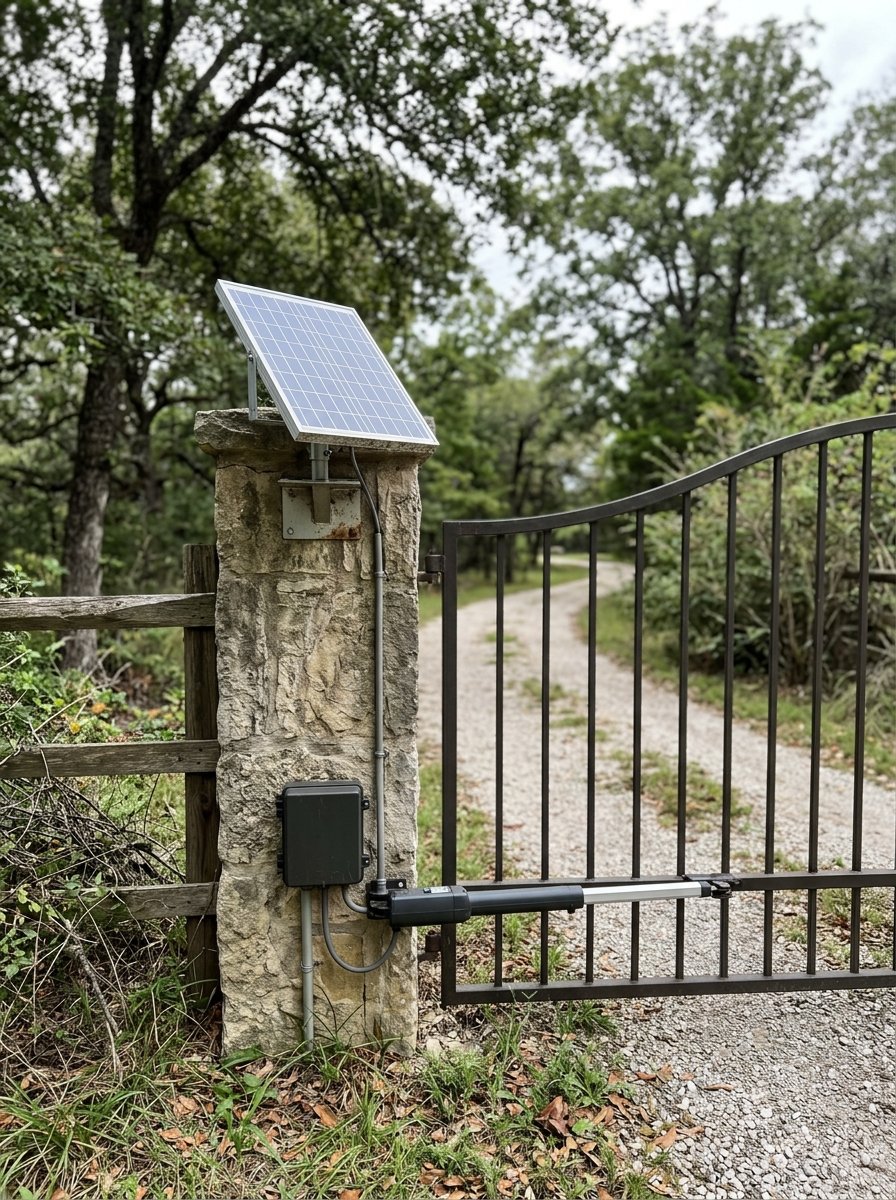
Every automatic gate needs power. Running electricity to the gate adds about $400 to $2,000+, depending on how far the gate is from the house and whether trenching is needed.
Solar-powered openers avoid trenching and can be a smart choice for long driveways. Adding solar functionality also costs about $400 to $2,000+, and solar openers tend to sit at the higher end of opener pricing.
Solar works best for gates that open a moderate number of times per day and get several hours of direct sun. In shady or very cold areas, hardwiring is more reliable.
6. Access Controls and Extras
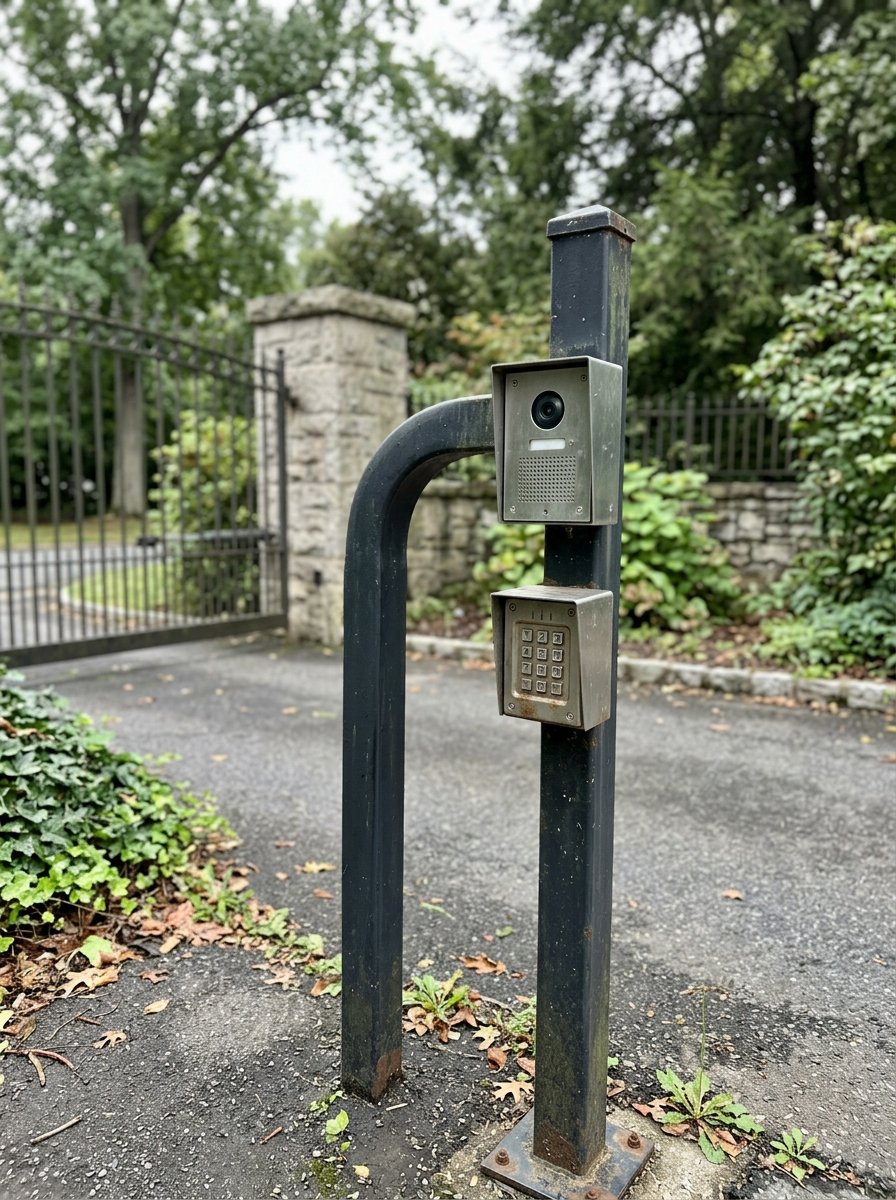
How you open the gate adds to the cost. A basic remote often comes with the opener, but most homeowners add at least one extra way to open it.
| Add-on | Typical cost |
|---|---|
| Keypad | $100 – $800 |
| Intercom | $500 – $4,500+ (before installation) |
| Safety sensors / photo eyes | $150 – $1,500+ |
| Permits | $100 – $300 |
Safety sensors are worth the money, especially if you have children or pets. They stop or reverse the gate if something is in its path.
7. Labor Cost
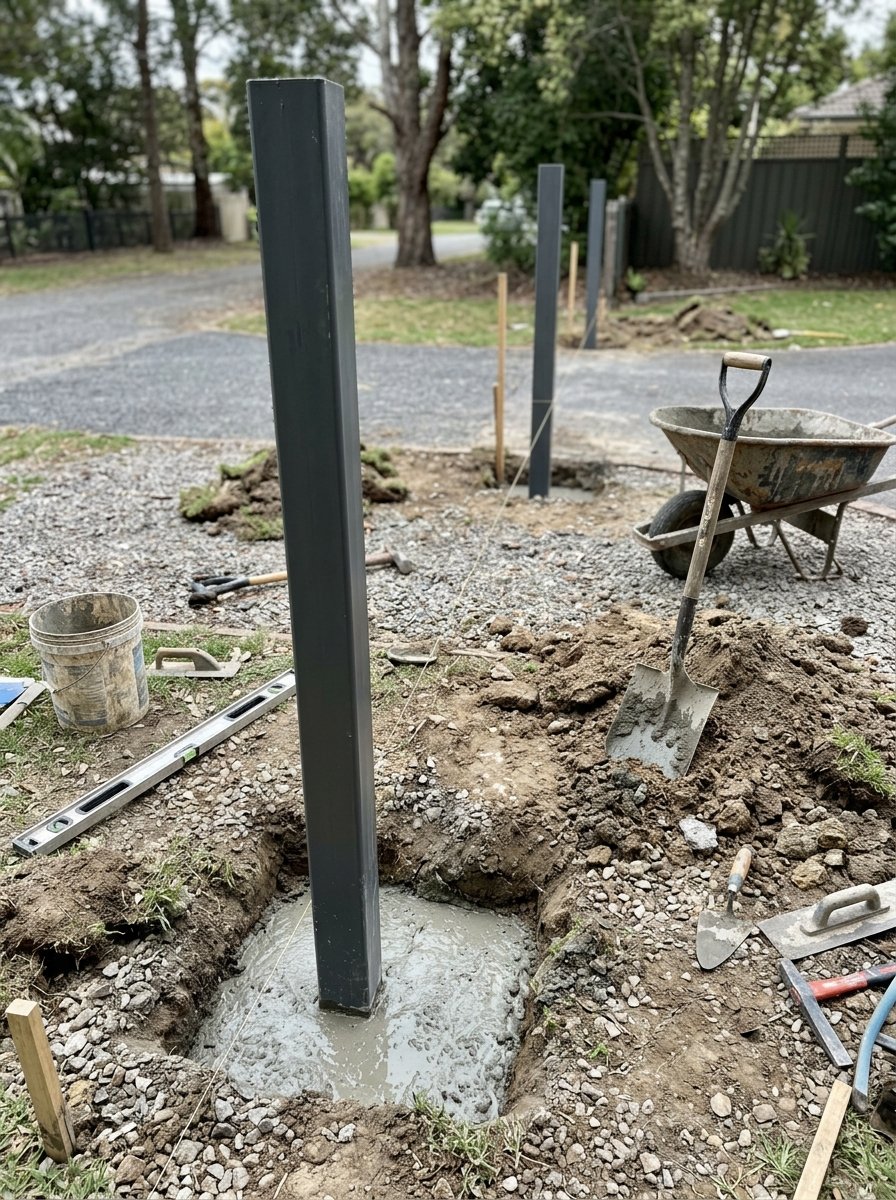
Professional installation typically costs $800 to $3,000 or more, or roughly $50 to $100 per hour. Labor covers setting posts in concrete, hanging and aligning the gate, installing the opener and connecting power and controls.
Labor costs rise for wide or heavy gates, sloped driveways, rocky soil, long electrical runs and custom fabrication.
Getting at least three quotes from local gate installers is the best way to understand the going rate in your area.
8. How Much You Can Save with DIY
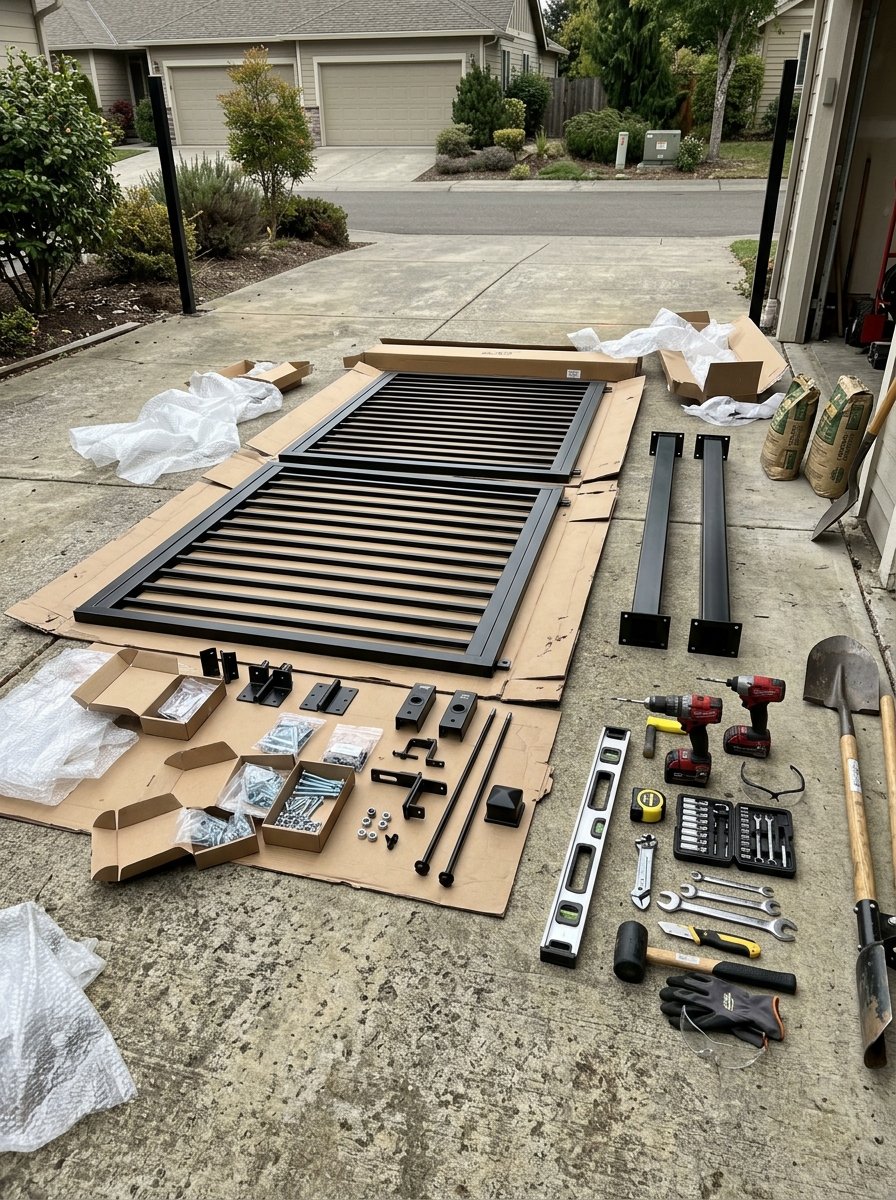
Home improvement stores sell gate and opener kits for about $2,800 to $3,500, and Angi estimates DIY materials and automation kits at $1,200 to $4,000. By installing the gate yourself, you avoid labor charges that commonly run from $800 to $3,000 or more.
For a typical project with $2,500 in installation labor, a DIY install can save up to that amount. The actual savings depend on the size of the gate and how much of the work you can do safely.
The best DIY candidates are lightweight aluminum or vinyl swing gates on flat driveways with a solar opener, because there is no trenching or electrical work.
9. What to Leave to the Pros
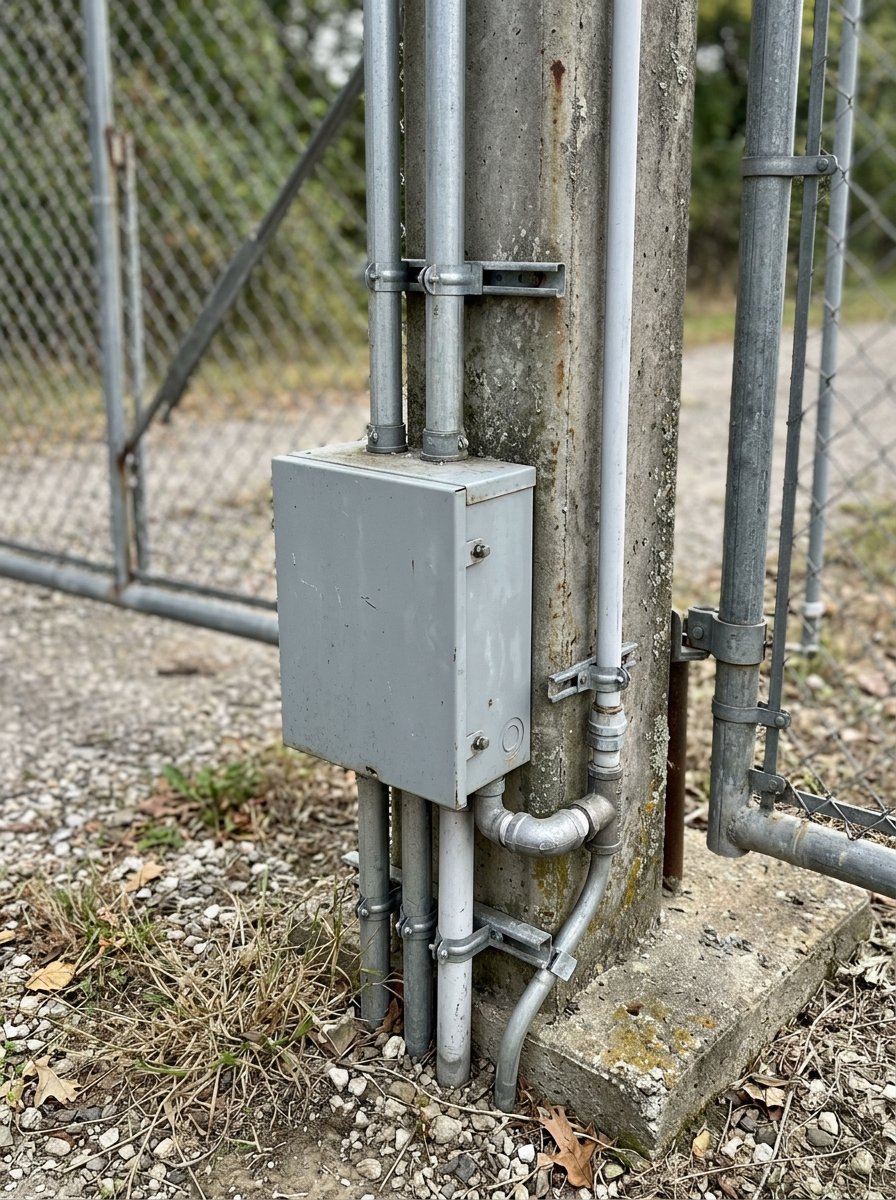
Some parts of a gate installation are best handled by professionals. Electrical work, especially running new circuits to the gate, should be done by a licensed electrician to meet code.
Heavy steel, iron and custom gates, sliding and cantilever gates, and gates on steep slopes require precise alignment and strong foundations. Mistakes can lead to sagging, binding or safety hazards.
You can still save money by doing the prep work yourself, such as clearing the area, digging post holes or painting the gate.
10. Maintenance and Repair Costs
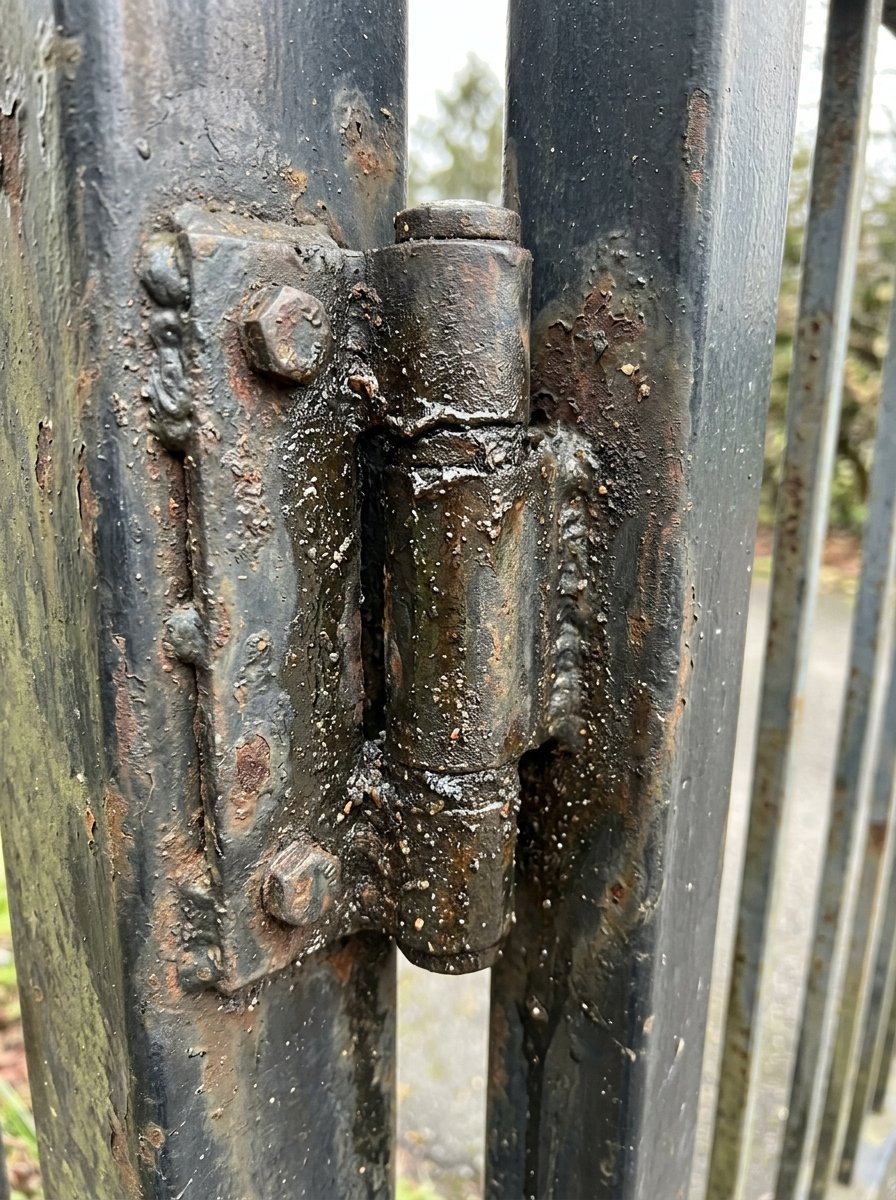
Automatic gates need occasional maintenance to keep working smoothly. Repairs average about $500 to $1,000, though small fixes can be as little as $25 and major repairs up to $4,000.
Lubricate hinges and moving parts, check batteries and sensors, and keep the gate clear of debris. Wood gates need sealing every few years, and metal gates need touch-up paint to prevent rust.
Running an electric opener typically adds only about $1 to $5 per month to your utility bill.
11. Does a Driveway Gate Add Home Value?
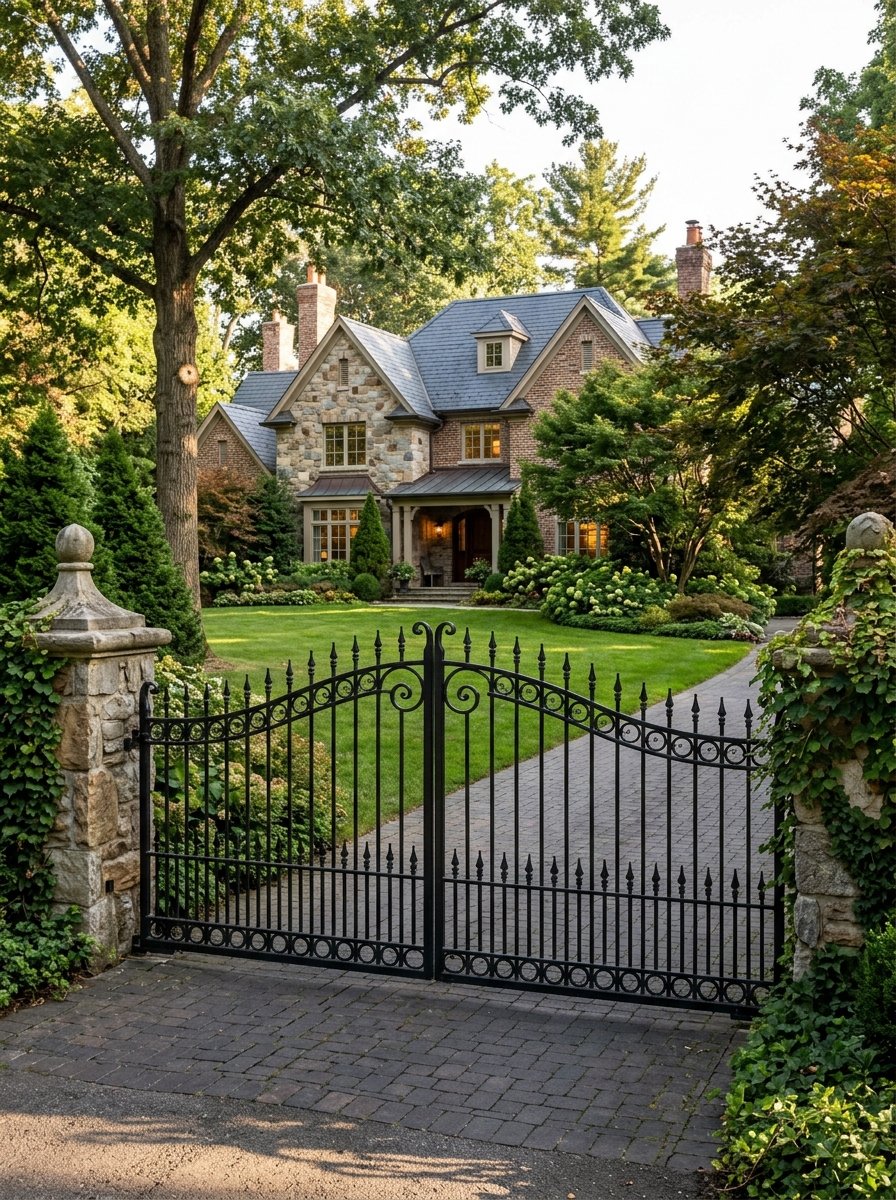
A gate can boost curb appeal, privacy and security, which many buyers value. Angi estimates the return on investment for automatic gates at about 50% to 70%, depending on your location and property.
Gates add the most value in neighborhoods where gated homes are common, and on larger properties where privacy is a priority.
Even if you don’t recoup the full cost, the everyday benefits of security and convenience are a big part of the value.
12. How to Save Money on a Driveway Gate
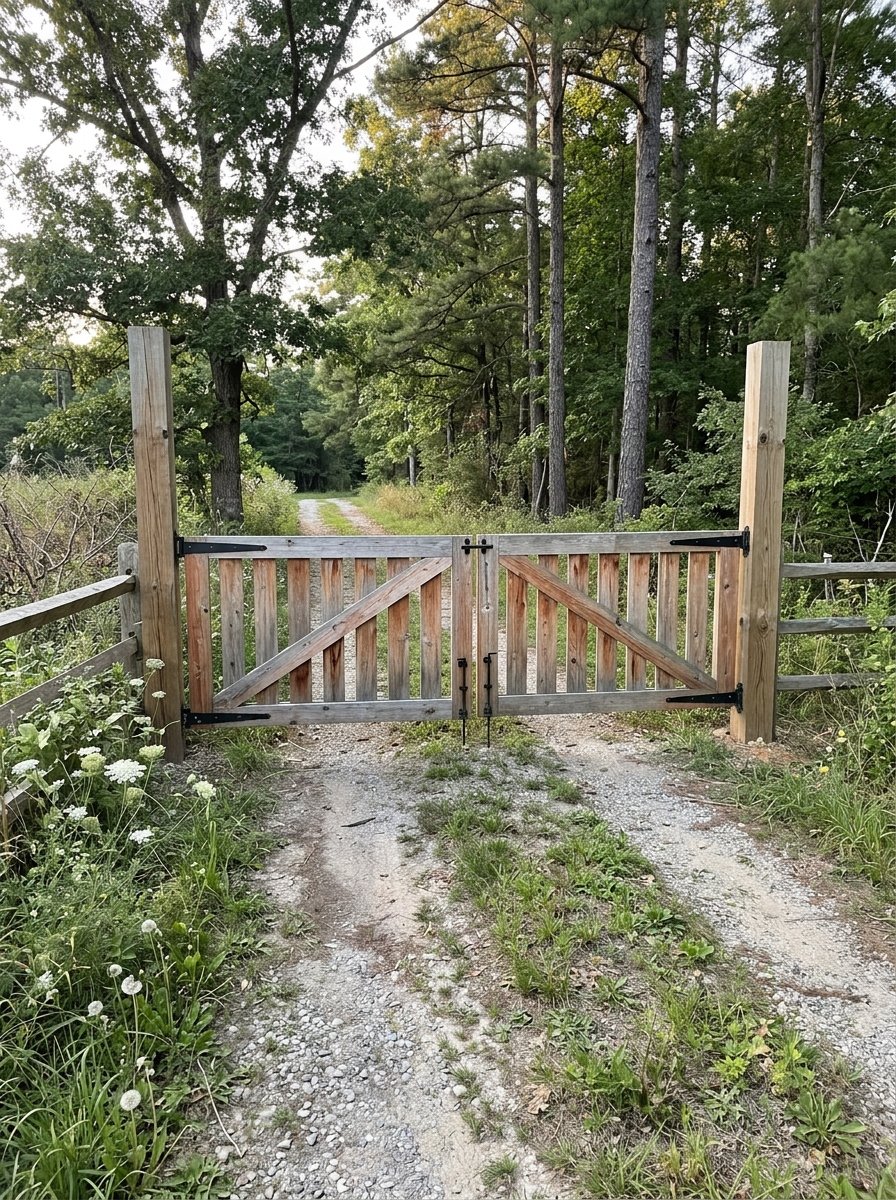
Choose a standard size and style rather than a custom design. Off-the-shelf aluminum gates are much cheaper than custom iron.
Go solar if your gate is far from the house to avoid trenching costs. Bundle the gate installation with fencing work to save on labor.
Get several quotes, ask about off-season pricing, and consider automating an existing gate if it’s in good condition, which costs about $400 to $5,500.
Bottom Line
For most homeowners, a professionally installed automatic driveway gate will cost somewhere between about $2,000 and $8,000, with an average near $7,000 for a complete system. Manual gates and DIY installations can cost much less.
Start by deciding on your must-haves: material, gate type, power source and access control. Then get quotes and compare them with the cost of a DIY kit to decide which approach makes sense for you.
Sources: HomeGuide automatic driveway gate cost guide (2026); Angi automatic gate installation cost (2026).
Example Budgets for Three Common Projects
To show how these numbers add up, here are three rough example budgets based on the national cost ranges above. Your local prices may be higher or lower.
| Project | What’s included | Estimated total |
|---|---|---|
| Budget DIY | 12-ft aluminum swing gate kit with solar opener, installed yourself | About $1,500 – $3,500 |
| Mid-range pro install | 12–14 ft steel or aluminum double swing gate, hardwired opener, keypad, safety sensors | About $4,000 – $8,000 |
| High-end custom | Custom wrought iron or sliding gate, intercom, professional electrical and fabrication | About $8,000 – $13,000+ |
Use these as starting points when comparing quotes, and ask installers for an itemized estimate so you can see exactly where the money goes.
DIY Driveway Gate Installation: Step by Step
If you decide to install a gate yourself, here is the general process for a typical swing gate with a solar opener. Always follow the manufacturer’s instructions for your specific gate and opener.
1. Check local rules. Confirm setbacks, height limits and permit requirements, and call 811 before digging to locate underground utilities.
2. Measure carefully. Measure the opening at the top and bottom, and check the slope of the driveway where the gate will swing.
3. Set the posts. Dig post holes below the frost line, set the posts in concrete, and make sure they are plumb. Let the concrete cure fully before hanging the gate.
4. Hang the gate. Attach hinges and hang the gate leaves, adjusting so they swing freely and meet evenly in the middle.
5. Install the opener. Mount the opener arms or motor, set the open and close limits, and install the solar panel where it gets good sun.
6. Add controls and safety features. Program remotes, install a keypad, and add safety sensors. Test the gate many times before regular use.
Questions to Ask Before Hiring an Installer
Are you licensed and insured? Do you handle permits? Is the electrical work included, and will it be done by a licensed electrician?
What is the warranty on the gate, the opener and the labor? What maintenance do you recommend, and do you offer service plans? How long will the installation take?
Asking these questions up front helps you compare quotes fairly and avoid surprises later.
Frequently Asked Questions
How much does a manual driveway gate cost?
A basic manual gate can cost a few hundred dollars for vinyl or wood, plus installation. Prices rise with size, material and custom design.
How long does a driveway gate last?
A well-maintained metal gate can last 20 years or more, while wood gates usually last 10 to 15 years. Openers typically last 10 to 15 years with regular maintenance.
Is a sliding or swing gate cheaper?
Swing gates are usually cheaper, but sliding gates are better for sloped driveways or tight spaces.
Do I need a permit for a driveway gate?
Many areas require a permit, especially for electrical work or gates near the street. Permits typically cost $100 to $300. Check with your local building department.