
This post contains affiliate links. As an Amazon Associate, I earn from qualifying purchases at no extra cost to you.
The dining room is where birthdays are celebrated, holidays are shared and long conversations stretch late into the evening. It deserves to feel just as considered as your living room, even if it is only used a few times a week.
The good news is that a beautiful dining room doesn’t require a full renovation. The right light fixture, a confident wall color, comfortable seating and a few well-chosen accessories can completely change how the room looks and feels.
Below are 25 dining room design ideas, grouped into lighting and walls, tables and seating, decor and styling, storage and display, and style inspiration. Each comes with a practical tip, and many include products to help you get the look.
Start With How You Use the Room
Before choosing colors or furniture, think about how you actually dine. A family that eats together every night needs durable chairs and a wipeable table, while a household that hosts big dinner parties may want an extending table and extra seating.
Measure carefully. Allow about 36 inches between the table edge and the wall or other furniture so people can pull out chairs and walk behind seated guests comfortably. Plan roughly 24 inches of table width per person.
Choosing a Look That Lasts
Dining furniture is usually a long-term investment, so choose classic shapes and materials for the big pieces, such as a solid wood table and comfortable chairs. Bring in trends through paint, lighting, textiles and accessories, which are easy to change.
Aim for a balance of textures. Wood, linen, metal, ceramic and glass together make a dining room feel layered and inviting rather than flat.
Quick Layout Rules for Dining Rooms
Match the table shape to the room. Rectangular tables suit long, narrow rooms, while round and square tables work best in square spaces and small corners.
Think about traffic flow. Keep main walkways clear of the table and chairs, and avoid placing the sideboard where it blocks doors or kitchen access.
Layer your lighting. Overhead light over the table, wall sconces or lamps for ambient glow, and candles on the table give you the flexibility to go from family breakfast to dinner party.
Finally, don’t forget acoustics. Rugs, curtains, upholstered chairs and books all soften sound, so conversations feel comfortable rather than echoing around a room full of hard surfaces.
25 Dining Room Design Ideas
The ideas are grouped into lighting and walls, tables and seating, decor and styling, storage and display, and style inspiration. Mix and match a few to create a dining room that suits your home.
Lighting and Walls
1. A Statement Chandelier Over the Table
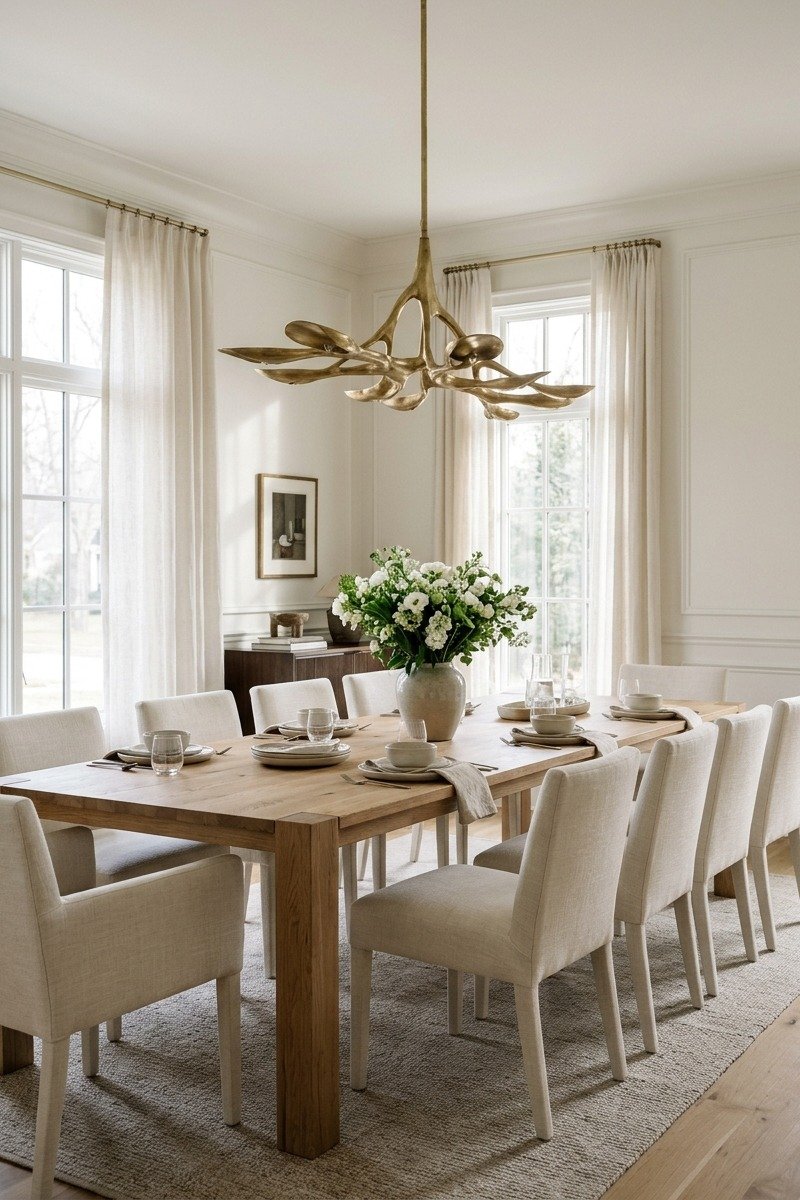
A chandelier is the jewelry of a dining room. Hung over the table, it creates an instant focal point and sets the mood for every meal, from quick breakfasts to candlelit dinners.
Sculptural brass, crystal, wood bead and modern globe designs all work beautifully. Choose a style that echoes the rest of your home so the fixture feels like it belongs.
Scale is important. A good rule of thumb is to choose a chandelier about half to two-thirds the width of your table, so it feels generous without overpowering the room.
Hang the bottom of the fixture about 30 to 36 inches above the tabletop. That height lights the table well while keeping sightlines clear across it.
Always add a dimmer. Bright light is useful for homework and cleanup, while low light makes dinner feel relaxed and special.
Pro tip: Center the chandelier over the table, not the room. If your table sits off-center, a swag hook can shift the light without rewiring.

2. Linear Pendants Over a Long Table
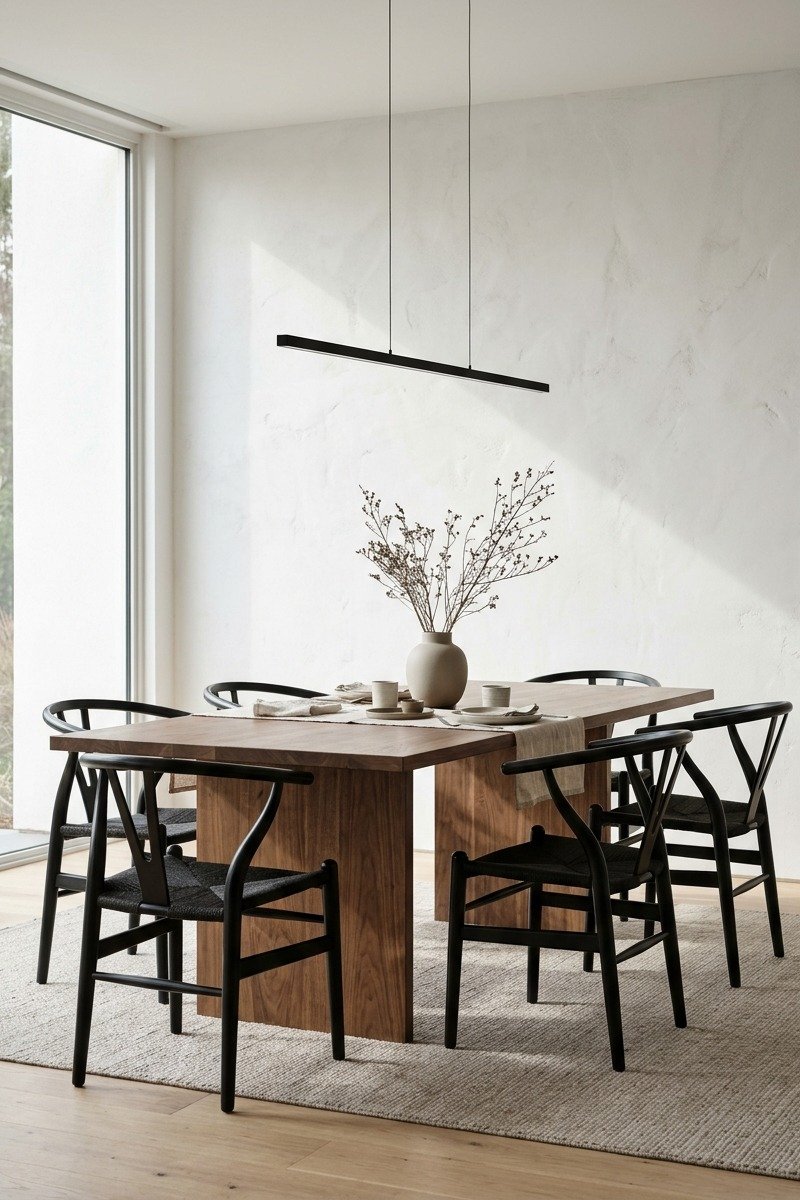
Long rectangular tables often look best with a linear pendant or a row of two or three smaller pendants. The light spreads evenly along the whole table, so nobody eats in shadow.
Linear fixtures feel modern and streamlined, especially in black, brass or brushed nickel. A row of glass globes or woven shades feels softer and more relaxed.
Space multiple pendants evenly and keep them about 12 inches in from each end of the table.
This approach works well in open-plan homes, where the lights help define the dining zone within a larger space.
Choose fixtures with diffused shades to avoid glare in diners’ eyes, especially if the lights hang low.
Pro tip: For a table longer than 7 feet, a linear fixture around two-thirds the table length looks balanced and lights both ends.

3. Brass Candle Sconces
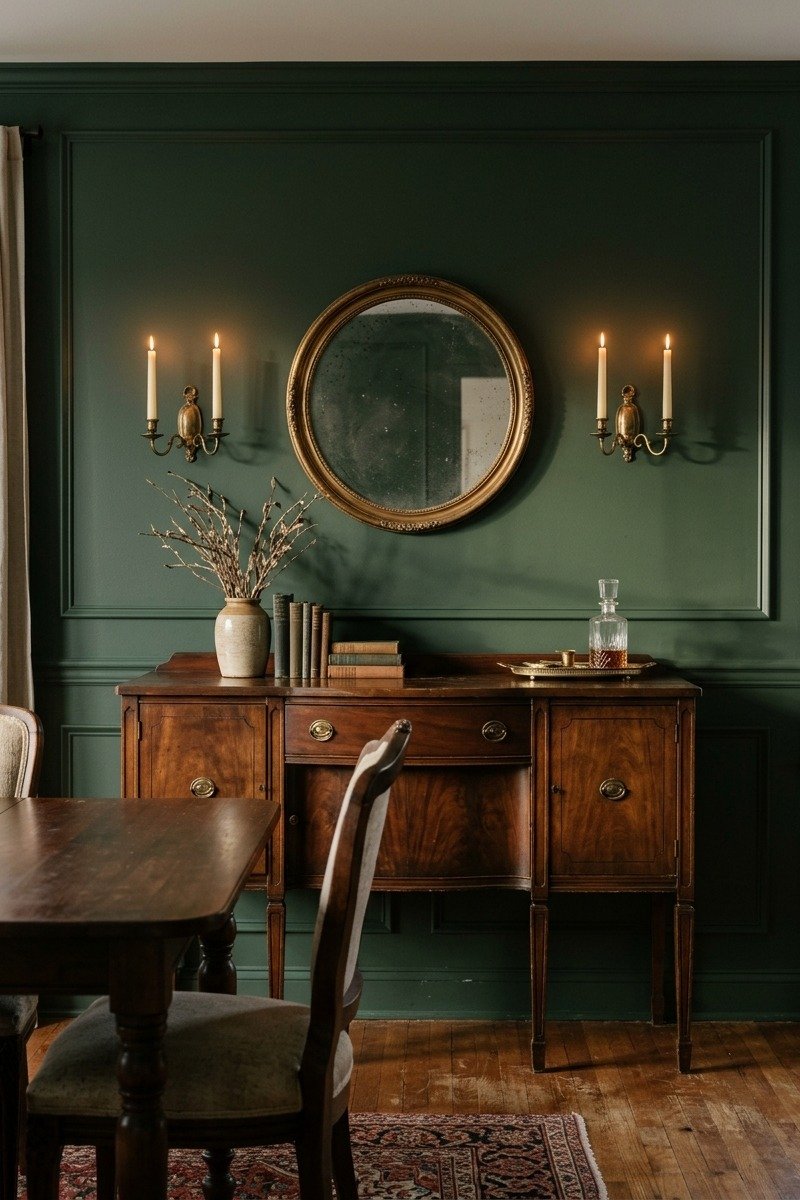
Wall sconces add a warm, layered glow that ceiling lights alone can’t create. Brass candle-style sconces feel traditional and romantic, especially flanking a mirror or a piece of art.
Use real taper candles for special occasions, or LED flameless candles for a safe, everyday glow.
Sconces are also a smart solution for rentals or rooms without ceiling wiring, since many plug-in versions are available.
Place them about 60 to 66 inches from the floor and roughly a third of the way in from each side of the mirror or art they frame.
Combined with a dimmed chandelier, sconces make the room feel cozy and intimate for evening meals.
Pro tip: Choose dripless, unscented candles for the dining table and sconces, so the fragrance never competes with the food.

4. Make a Statement With Wallpaper
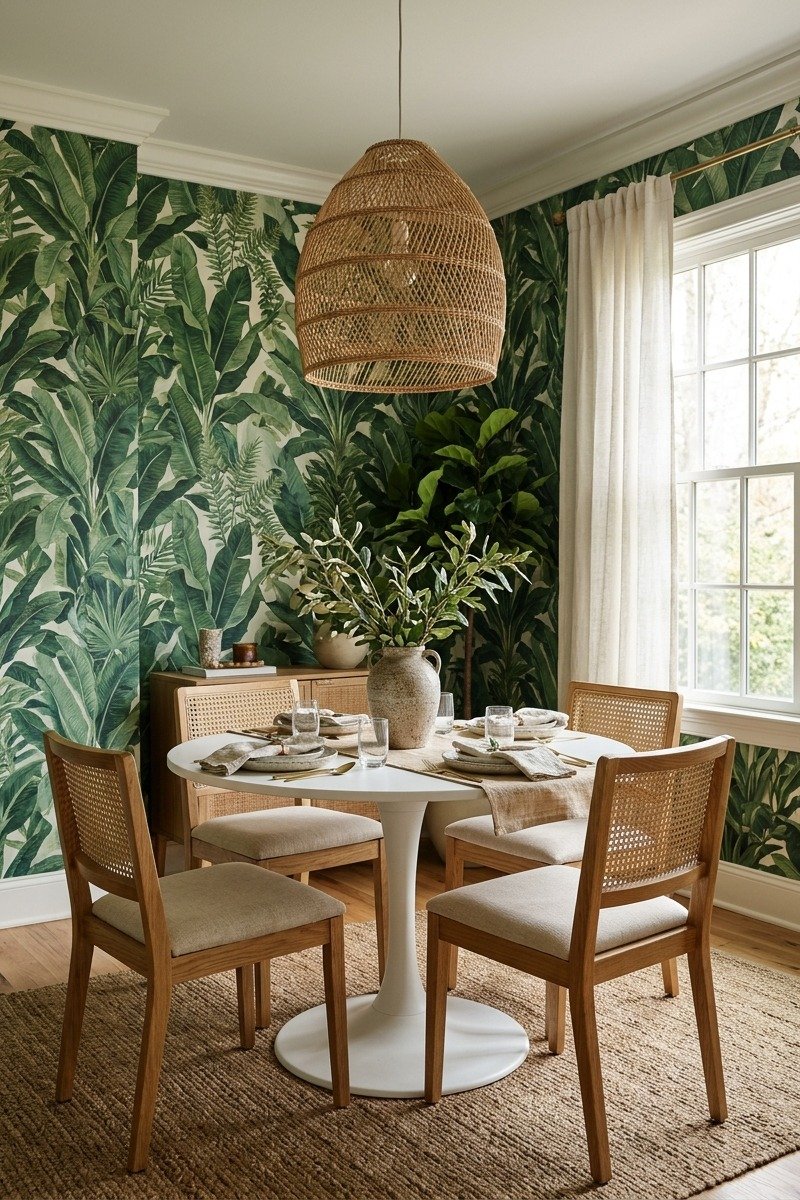
Wallpaper turns a dining room into a memorable space. Because dining rooms are used for shorter periods, they are the perfect place to try a bold pattern you might not choose for a bedroom.
Botanical prints bring the outdoors in, while florals feel romantic and geometric patterns feel modern and graphic.
Cover every wall for a cocooning, jewel-box effect, or choose one feature wall behind a sideboard or banquette.
Peel-and-stick wallpaper is a renter-friendly way to get the look and can be removed later without damaging the walls.
Balance a busy pattern with simple furniture and solid upholstery, so the room feels lively rather than chaotic.
Pro tip: Order one extra roll beyond your calculation. Pattern matching uses more paper than you expect, and dye lots can vary between orders.

5. Go Dark and Dramatic
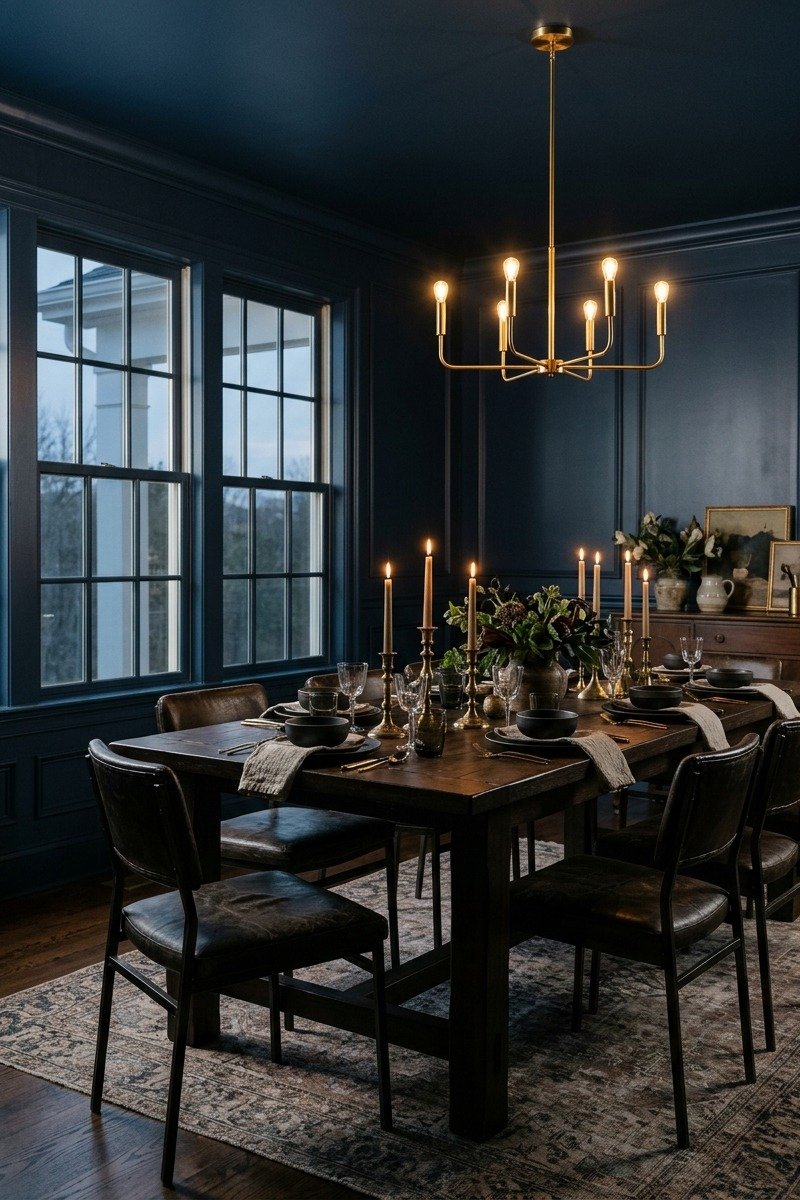
Dark walls make a dining room feel intimate, sophisticated and wonderfully moody, especially in the evening. Navy, charcoal, deep green and inky black are all striking choices.
Dark colors make candlelight and brass glow and give white dishes and linens a crisp contrast.
Painting the ceiling the same color creates a wrapped, enveloping effect that hides the edges of the room and makes it feel cozy rather than small.
Balance the darkness with warm lighting, a lighter rug and natural wood furniture.
A matte or eggshell finish on the walls looks rich and hides small imperfections.
Pro tip: Dark paint needs careful edges. Use quality painter’s tape and two full coats for a deep, even finish.


6. Sage Green Walls and Wainscoting
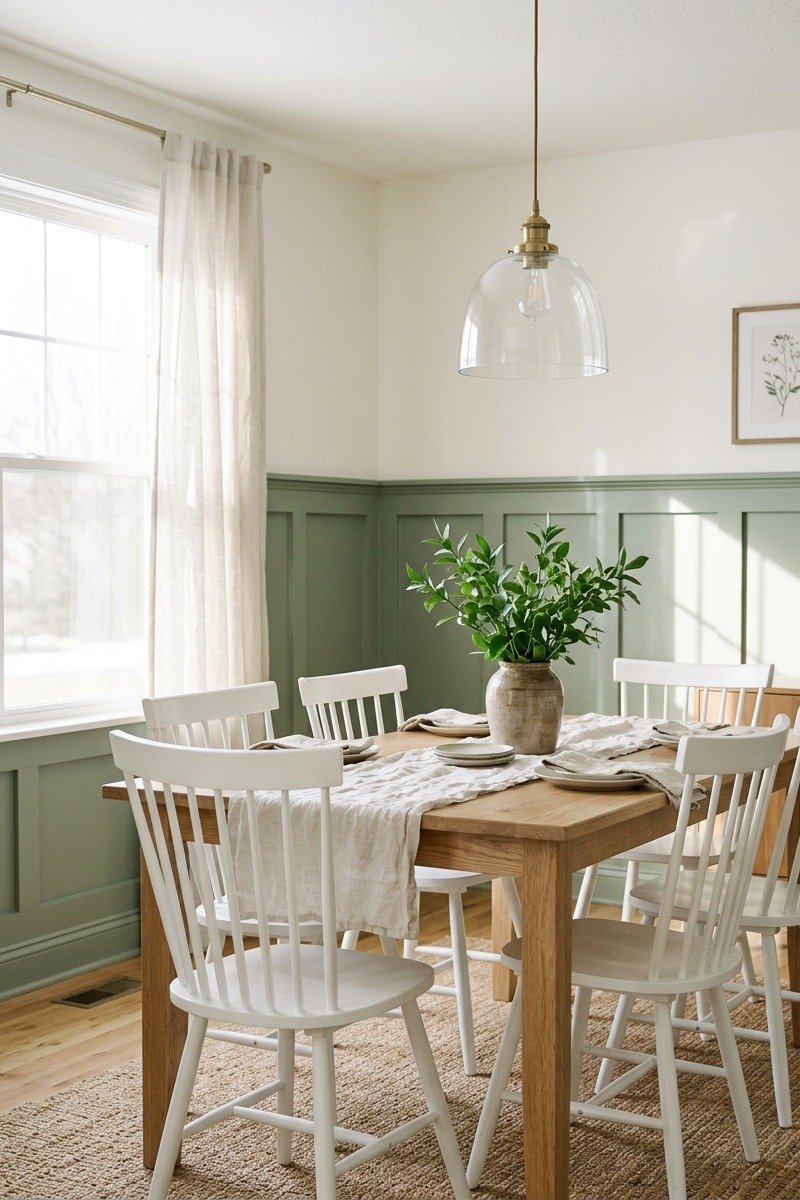
Sage green is one of the most popular dining room colors because it feels fresh, calm and natural. Paired with wainscoting, it gives the room a classic, cottage-inspired charm.
Paint the paneling sage and the upper wall a soft white, or reverse it for a lighter look.
Wainscoting also protects the lower walls from chair backs and little hands, which makes it practical as well as pretty.
Sage pairs beautifully with oak, linen, brass and white ceramics.
Peel-and-stick molding kits make it easy to add paneling without carpentry skills.
Pro tip: Hang wainscoting at about one-third of the wall height, or align it with a chair rail height of 32 to 36 inches.

7. Paint the Ceiling a Soft Color
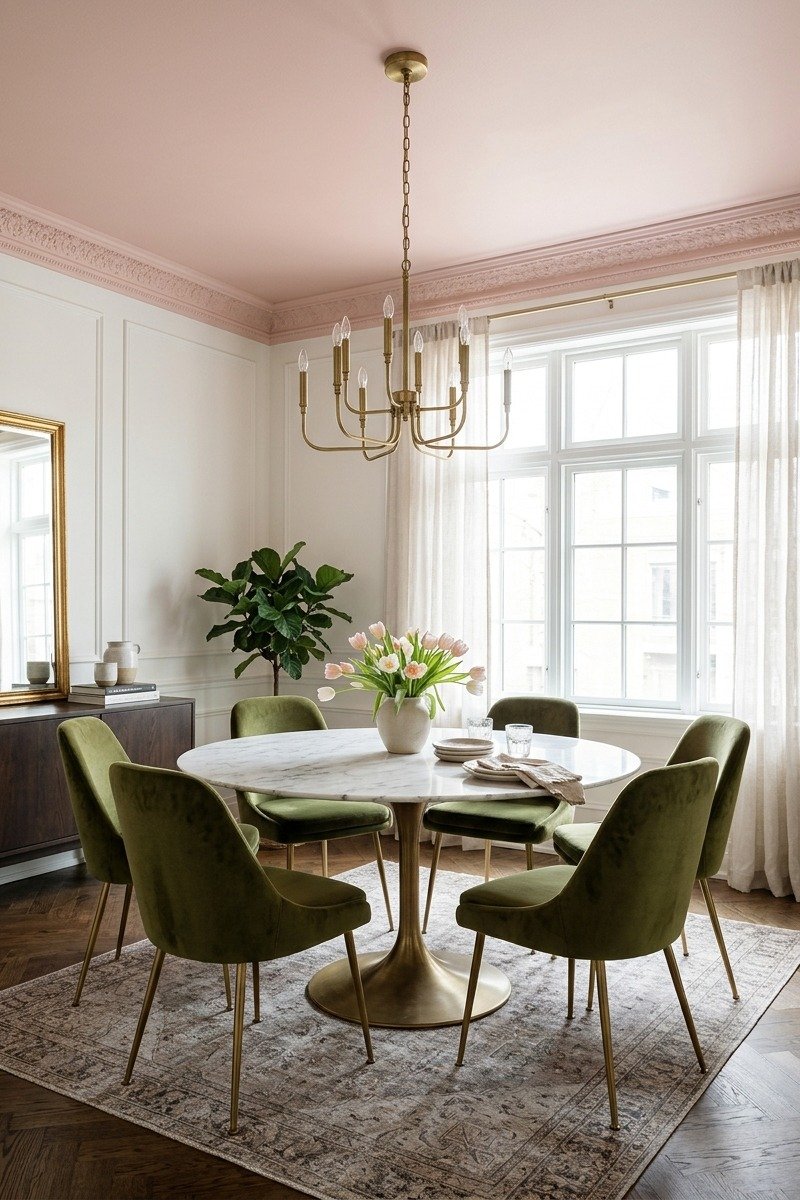
The ceiling is often called the fifth wall, and painting it a soft color is a playful, unexpected way to add personality to a dining room.
Blush pink, pale blue, soft butter yellow and sage all add a gentle glow without overwhelming the space.
A colored ceiling also reflects a flattering tint onto faces around the table, which makes dinner guests look their best.
Keep the walls simple and white to let the ceiling stand out, and repeat the color in a cushion, vase or piece of art.
This idea works especially well in rooms with crown molding, which frames the color beautifully.
Pro tip: Use a ceiling paint with a flat finish to hide imperfections and reduce glare from the chandelier.
Tables and Seating
8. A Rustic Farmhouse Table
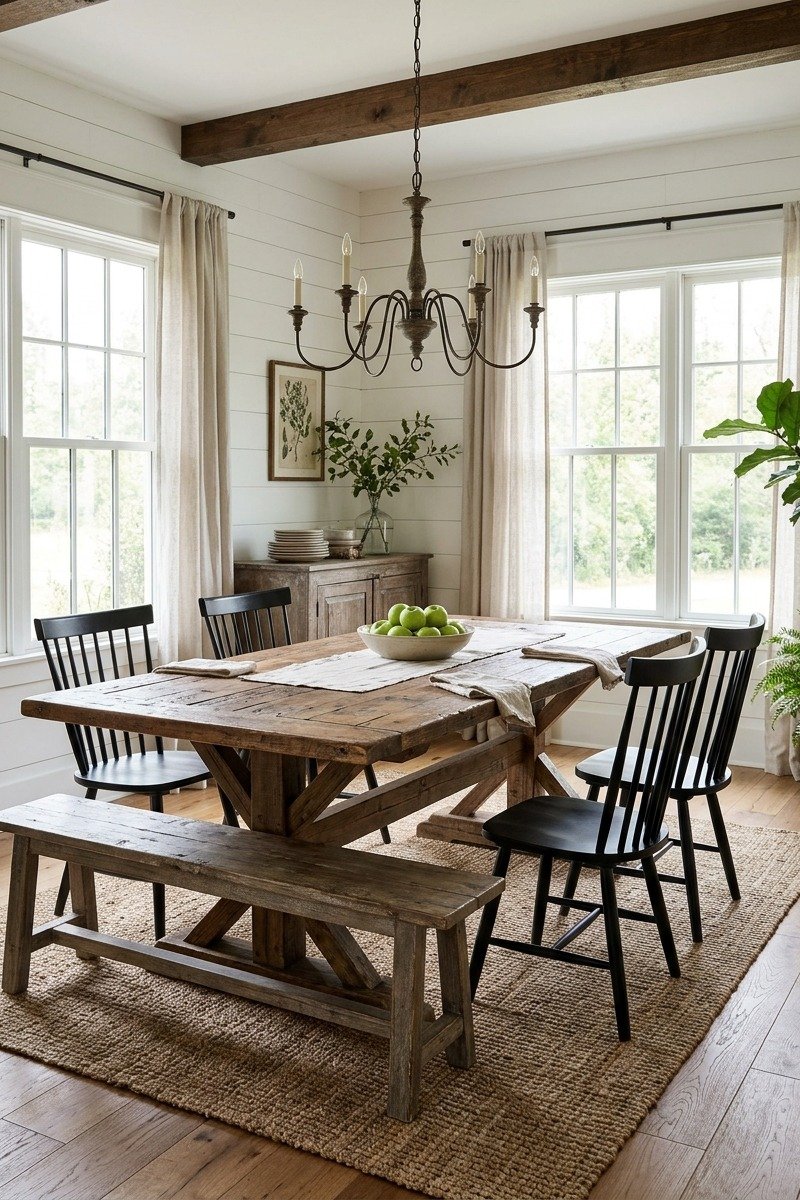
A rustic wood table brings warmth and character to any dining room. Reclaimed and solid wood tables show knots, grain and natural variation that make each one unique.
Farmhouse tables are durable and forgiving. Small scratches and dents only add to the charm over time.
Pair a rustic table with a bench on one side for a relaxed, family-friendly look, and mix in metal or painted chairs for contrast.
A trestle base gives more legroom than four corner legs, making it easier to squeeze in extra guests.
Balance the rustic look with modern lighting or crisp linens if you don’t want the room to feel too country.
Pro tip: Protect a wood table with a hard wax oil finish. It is easy to touch up and keeps the natural look of the wood.

9. A Round Pedestal Table for Small Spaces
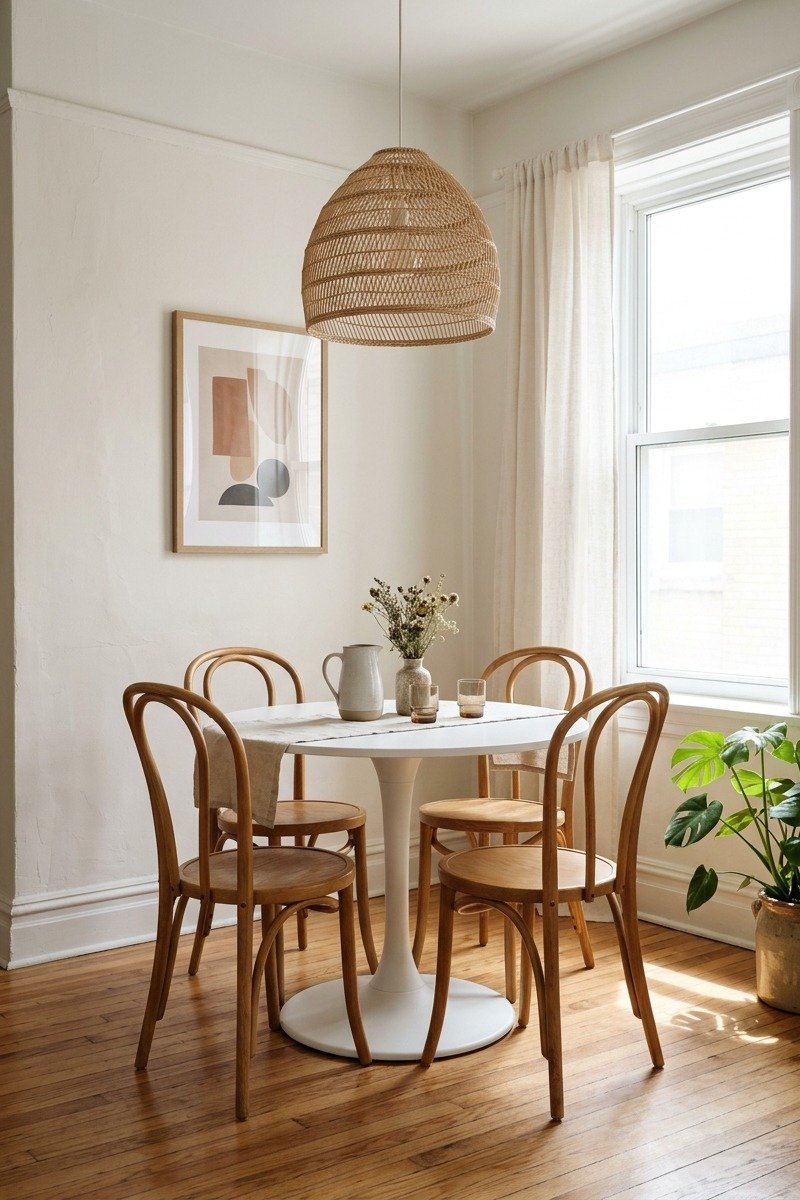
A round pedestal table is one of the best solutions for a small dining room or a breakfast corner. With no corners or legs in the way, more people can squeeze in comfortably.
Round tables also encourage conversation, since everyone can see and hear each other easily.
White, wood and marble-look tops all work well. A pedestal base keeps the look light and airy.
Choose a table with a 36 to 42 inch diameter for four people, and 48 inches or more for six.
Pair it with a woven pendant or a simple globe light to define the space.
Pro tip: Look for an extending round table that becomes an oval. It gives you everyday compactness and extra room for guests.

10. Upholstered Dining Chairs
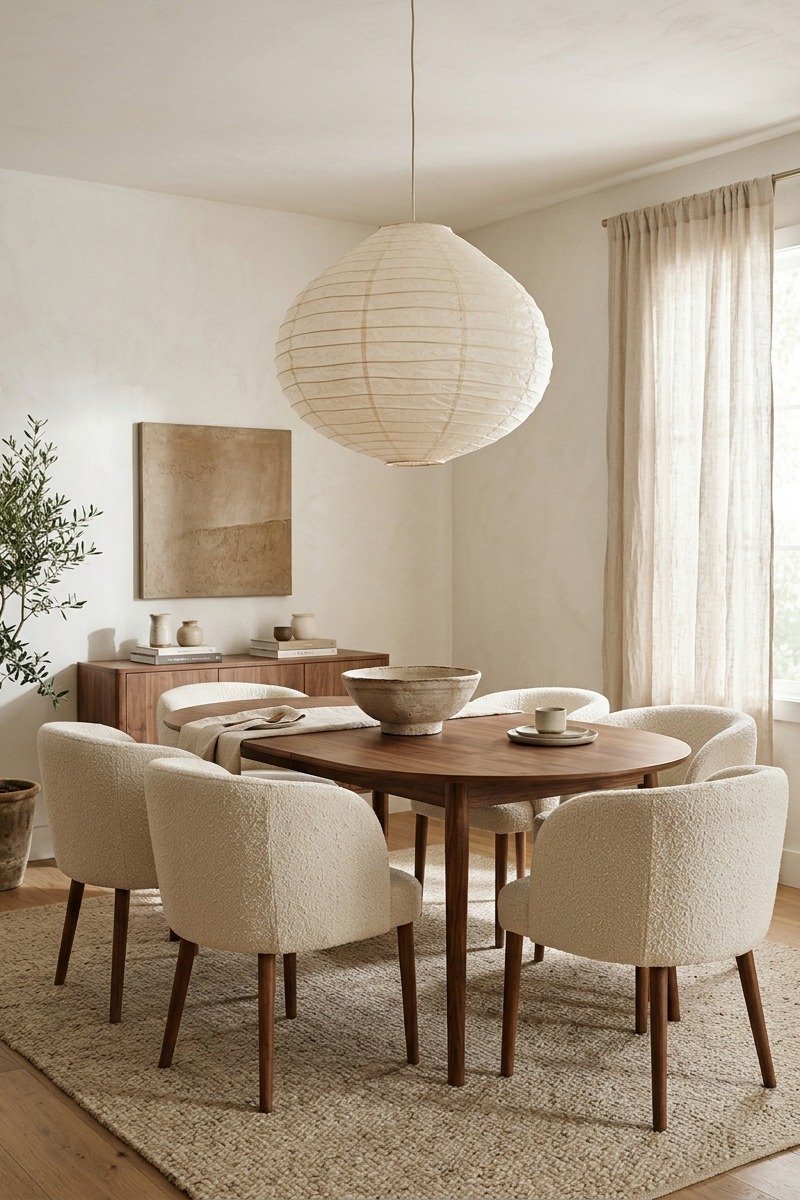
Upholstered dining chairs make long dinners more comfortable and add softness to a room full of hard surfaces.
Performance velvet, boucle and stain-resistant fabrics look luxurious while standing up to spills.
Curved backs and wingback styles feel elegant, while simple parsons chairs are timeless and easy to style.
Mixing upholstered end chairs with wooden side chairs is a designer trick that adds interest without a full set.
Choose chairs with seats about 10 to 12 inches below the tabletop, so everyone sits comfortably.
Pro tip: Treat fabric chairs with a fabric protector spray, and keep a small upholstery cleaner on hand for quick spot cleaning.

11. Built-In Banquette Seating
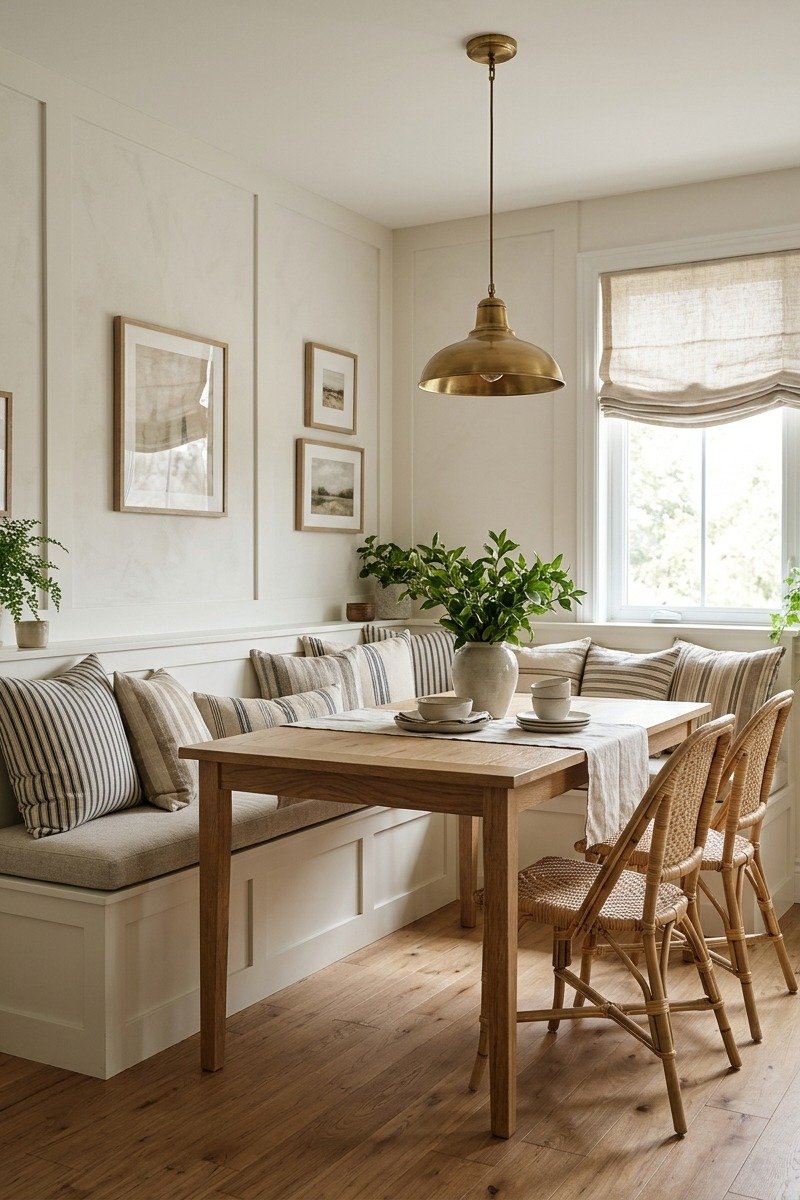
A built-in banquette saves space and adds a cozy, restaurant-like feel. Pushed against a wall, it lets you fit more people around the table than chairs alone.
Add a padded seat cushion and plenty of throw pillows for comfort and color.
Storage underneath the bench is a bonus, perfect for table linens, placemats and seasonal decor.
A freestanding dining bench gives a similar look if you don’t want a built-in.
Pair the banquette with a pedestal or trestle table, so legs don’t get in the way when sliding in.
Pro tip: Make the banquette seat about 18 inches high, including the cushion, to match standard dining chair height.


12. A Cozy Breakfast Nook
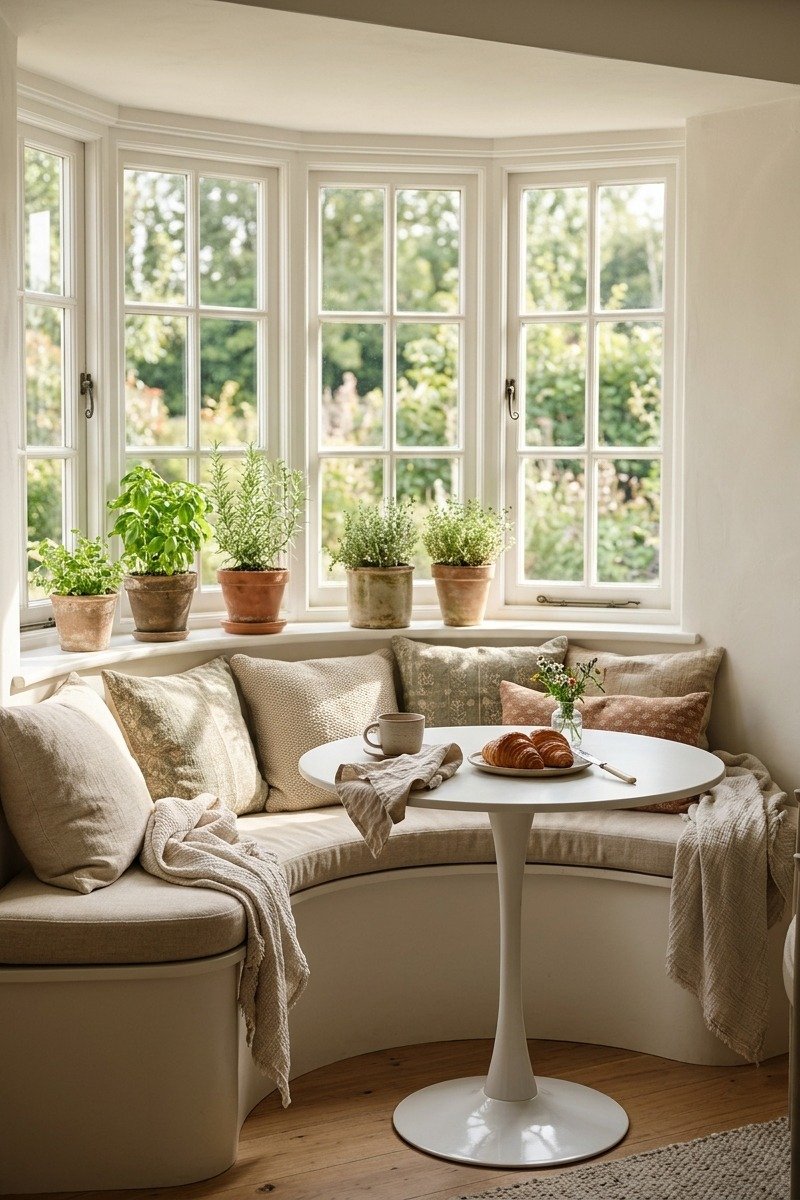
A breakfast nook is a charming spot for morning coffee, quick lunches and homework. Bay windows and corners are ideal for creating one.
Curved or L-shaped bench seating fits snugly into the space and makes the most of every inch.
Add soft cushions, a few pillows and a small round table to keep it cozy and easy to use.
Bright natural light makes a nook especially inviting, so keep window treatments light and simple.
A pendant overhead or a wall sconce makes the nook just as pleasant in the evening.
Pro tip: Choose outdoor-grade or washable cushion covers for a breakfast nook, since it sees daily use and plenty of spills.
13. Woven and Rattan Chairs for a Boho Feel
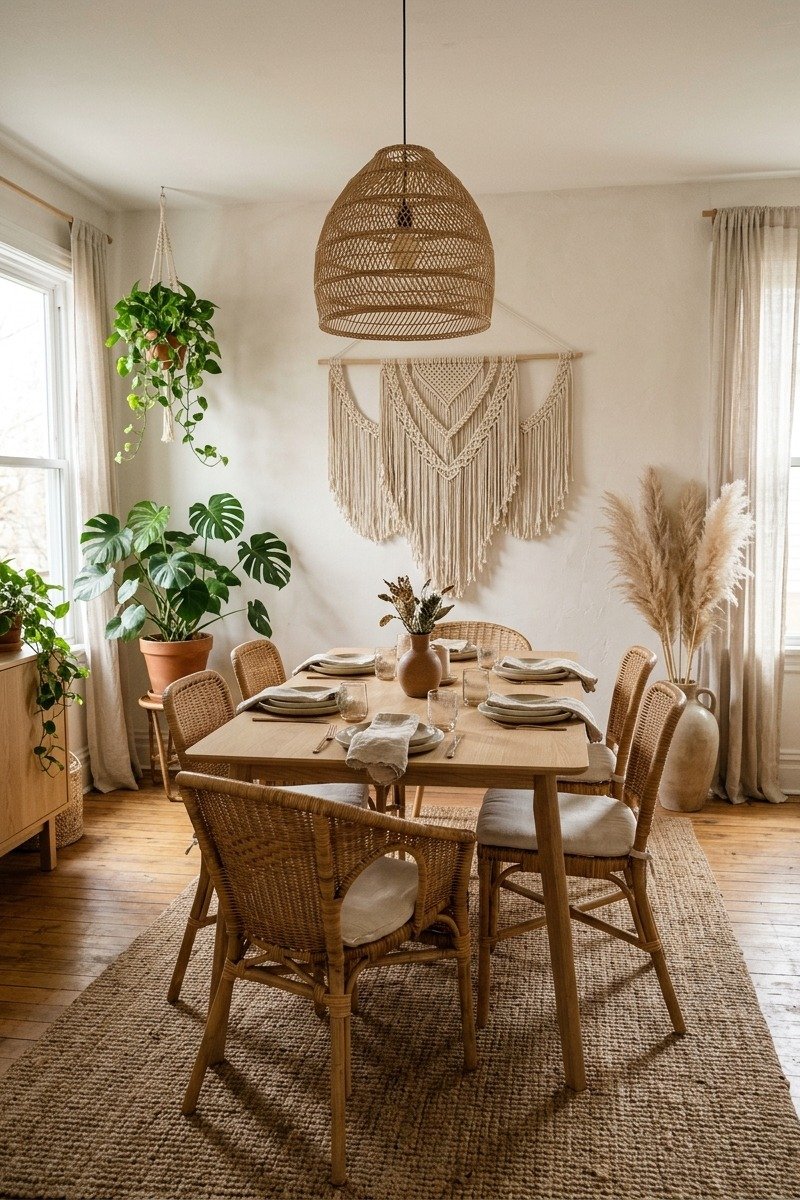
Woven rattan, cane and wicker chairs bring a relaxed, bohemian feel to the dining room. They add natural texture and visual lightness.
Pair them with a light wood table, a jute rug and plenty of plants for a breezy, sunlit look.
A macrame wall hanging or woven baskets on the wall add extra texture.
Rattan chairs are lightweight and easy to move, which is practical for everyday dining.
Add seat cushions in soft linen for comfort during longer meals.
Pro tip: Wipe rattan with a damp cloth and keep it out of direct, harsh sun to prevent drying and cracking.


Decor and Styling
14. Add Character With an Oversized Mirror
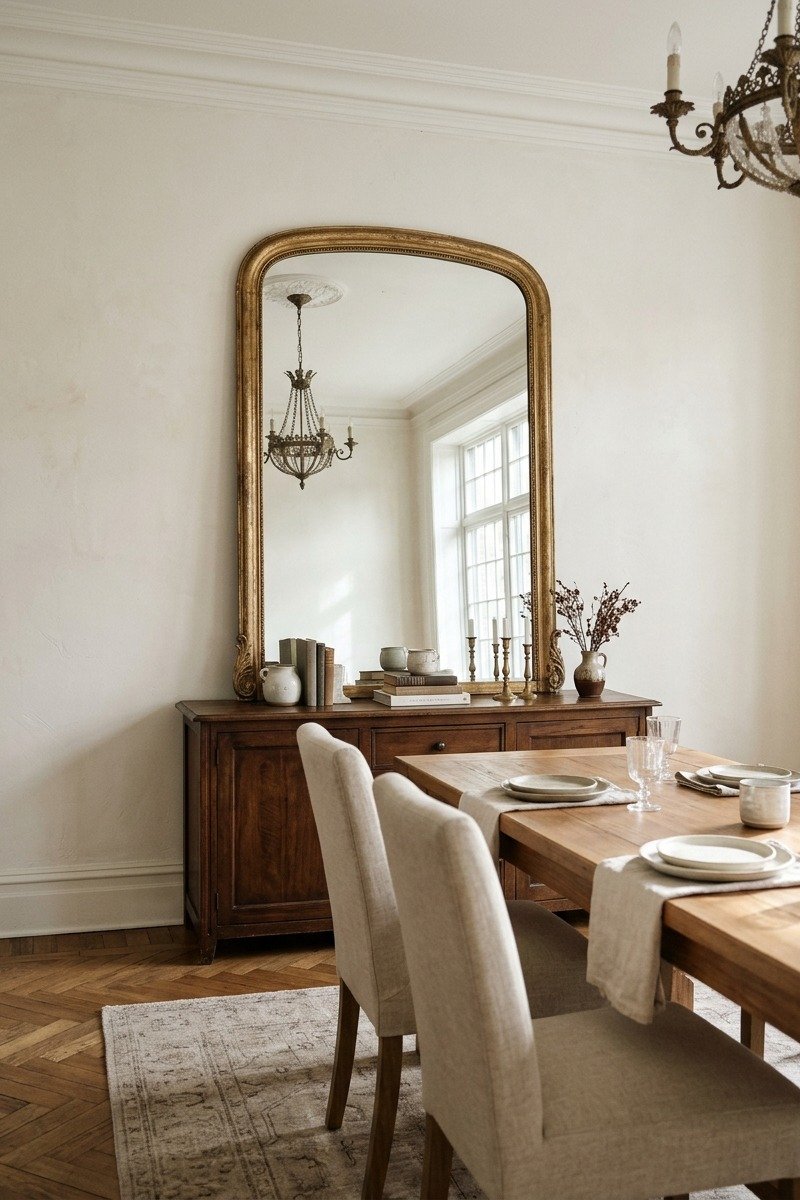
A large mirror is one of the easiest ways to add character and light to a dining room. It reflects windows and chandeliers, making the room feel brighter and bigger.
Arched mirrors feel modern and elegant, while vintage gilded or sunburst mirrors add personality.
Hang a mirror above a sideboard or buffet for a classic arrangement, or lean an oversized one against the wall for a relaxed look.
Place it where it reflects something beautiful, like a window or a light fixture, rather than a blank wall.
A mirror can also visually widen a narrow dining room.
Pro tip: Hang a mirror so its center is about 57 to 60 inches from the floor, or 6 to 10 inches above a sideboard.

15. Create a Gallery Wall
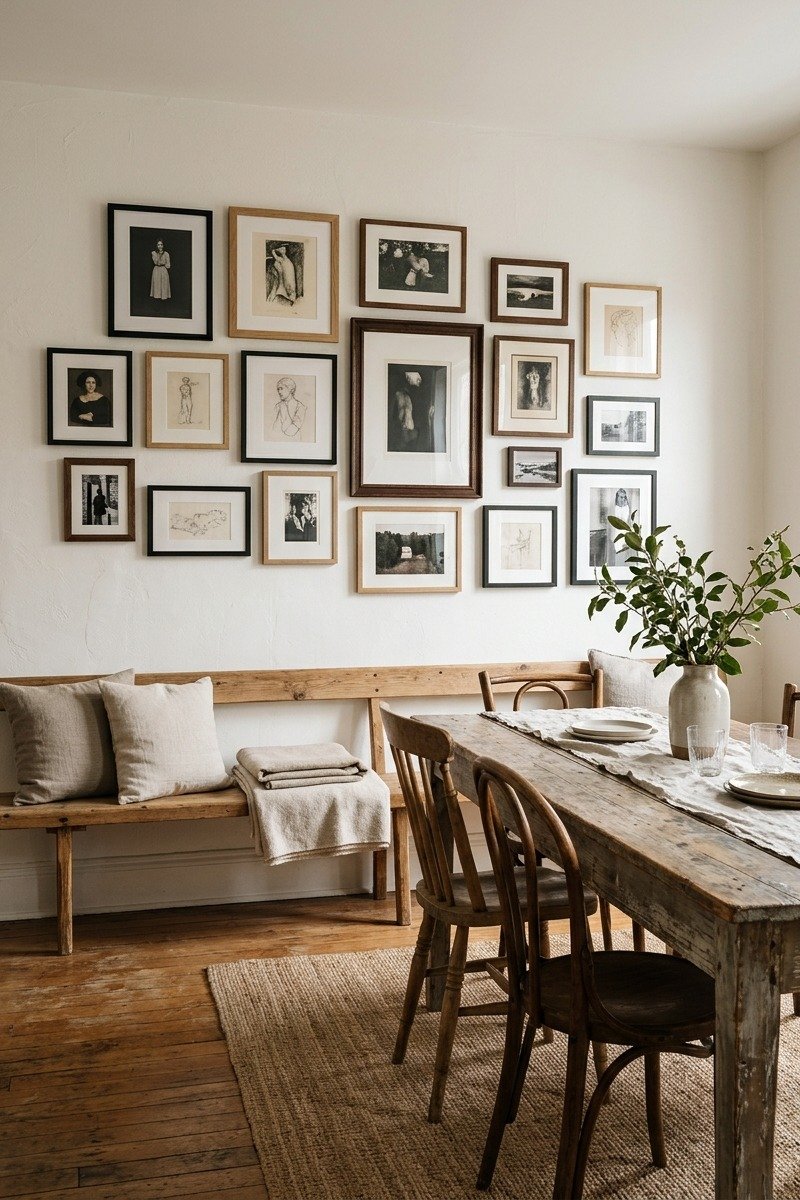
A gallery wall adds personality and tells a story. It is a wonderful way to display family photos, art prints, children’s drawings or vintage finds.
Mix frame sizes but keep a consistent color palette, such as all black or a mix of wood and brass, so the arrangement feels cohesive.
Plan the layout on the floor first, then use paper templates on the wall before hammering any nails.
Keep the spacing between frames consistent, about 2 to 3 inches apart.
A gallery wall works especially well above a bench, banquette or sideboard.
Pro tip: Start with your largest frame in the center and build outward. It anchors the arrangement and makes balancing easier.

16. Hang Fun Food and Cocktail Prints
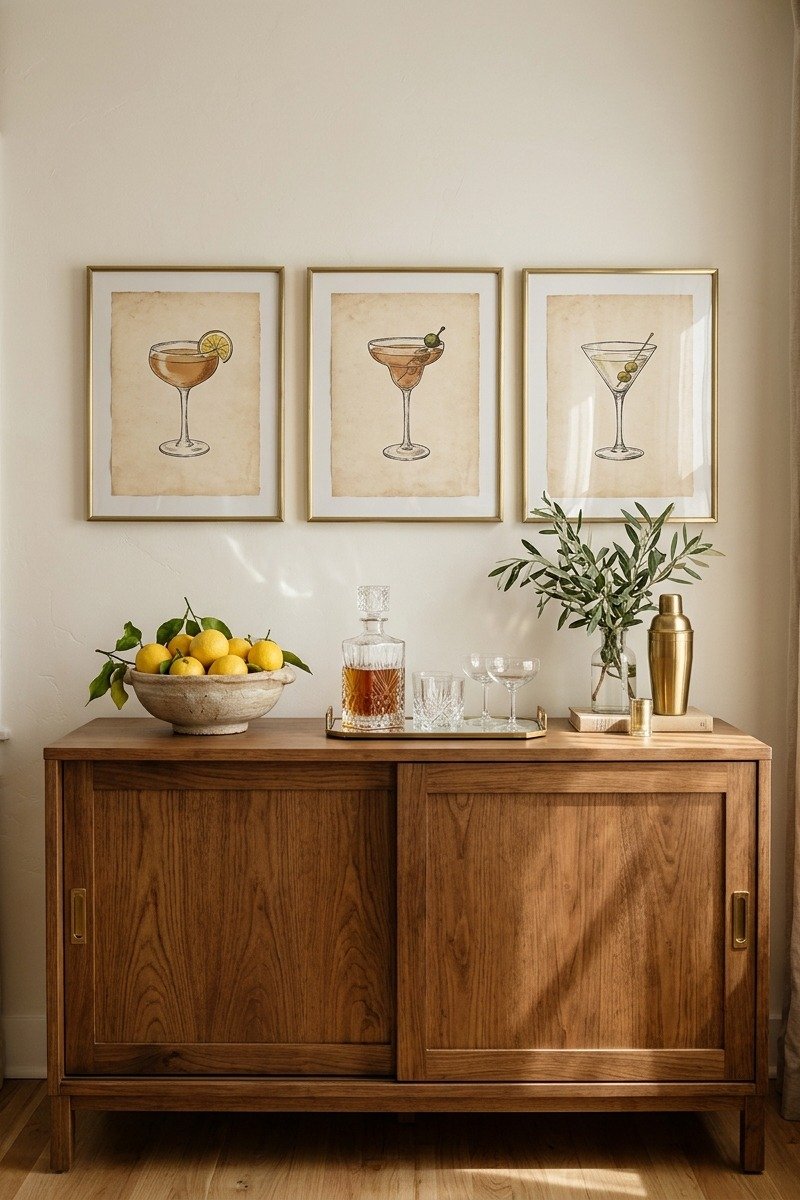
Fun food and cocktail prints are a playful way to add personality to a dining room. They suit the purpose of the room and spark conversation.
Vintage-style illustrations, botanical fruit prints and retro cocktail recipes all look charming.
Group three prints in matching frames for a tidy, intentional look.
These prints are perfect above a bar cart, coffee station or buffet.
Swap prints seasonally, like citrus in summer and botanical herbs in autumn, to keep the room fresh.
Pro tip: Use thin brass or black frames with a white mat to make inexpensive prints look like gallery pieces.

17. Ground the Space With a Rug
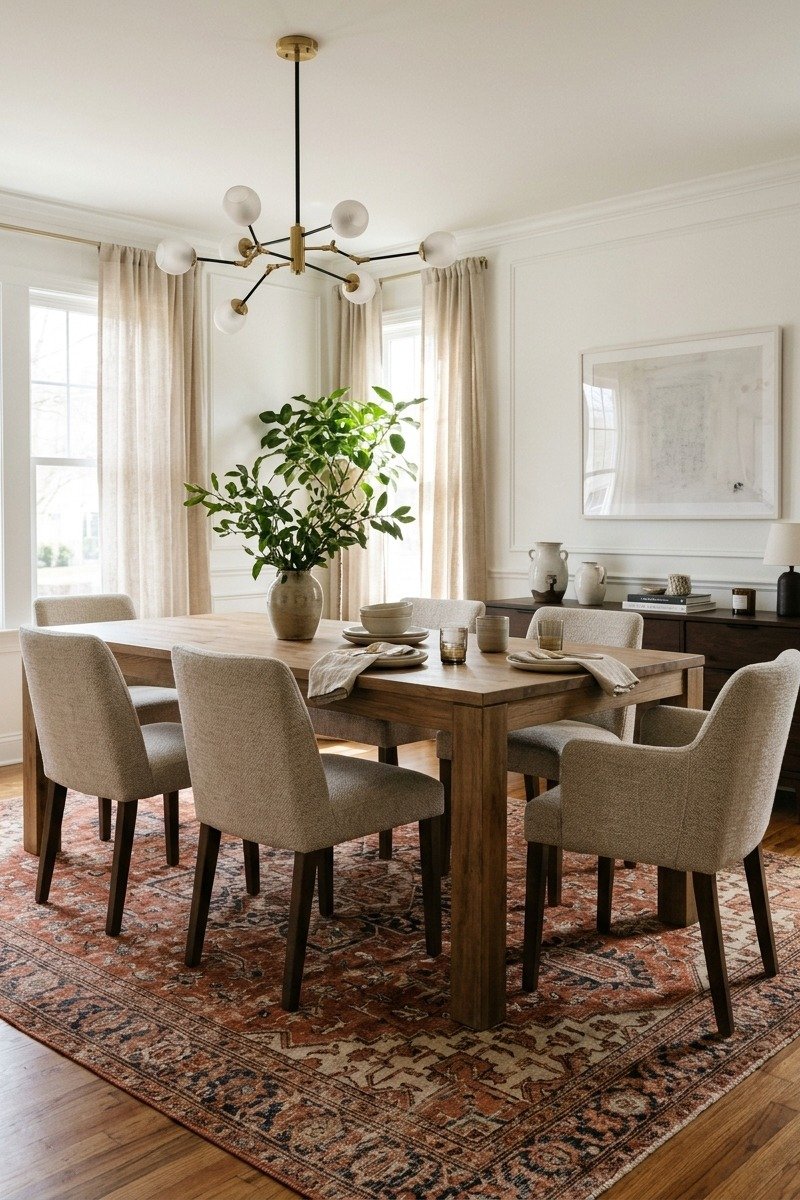
A rug grounds the dining table and defines the space, especially in open-plan homes. It also adds color, pattern and softness underfoot.
Vintage-style patterned rugs hide crumbs and spills better than plain light rugs.
The rug should extend at least 24 inches beyond the table on all sides, so chairs stay on it when pulled out.
Low-pile and flatweave rugs are easiest to clean and let chairs slide smoothly.
Washable rugs are a lifesaver in family dining rooms.
Pro tip: Measure the table and add 4 feet to each dimension for the minimum rug size.

18. Soft Linen Curtains
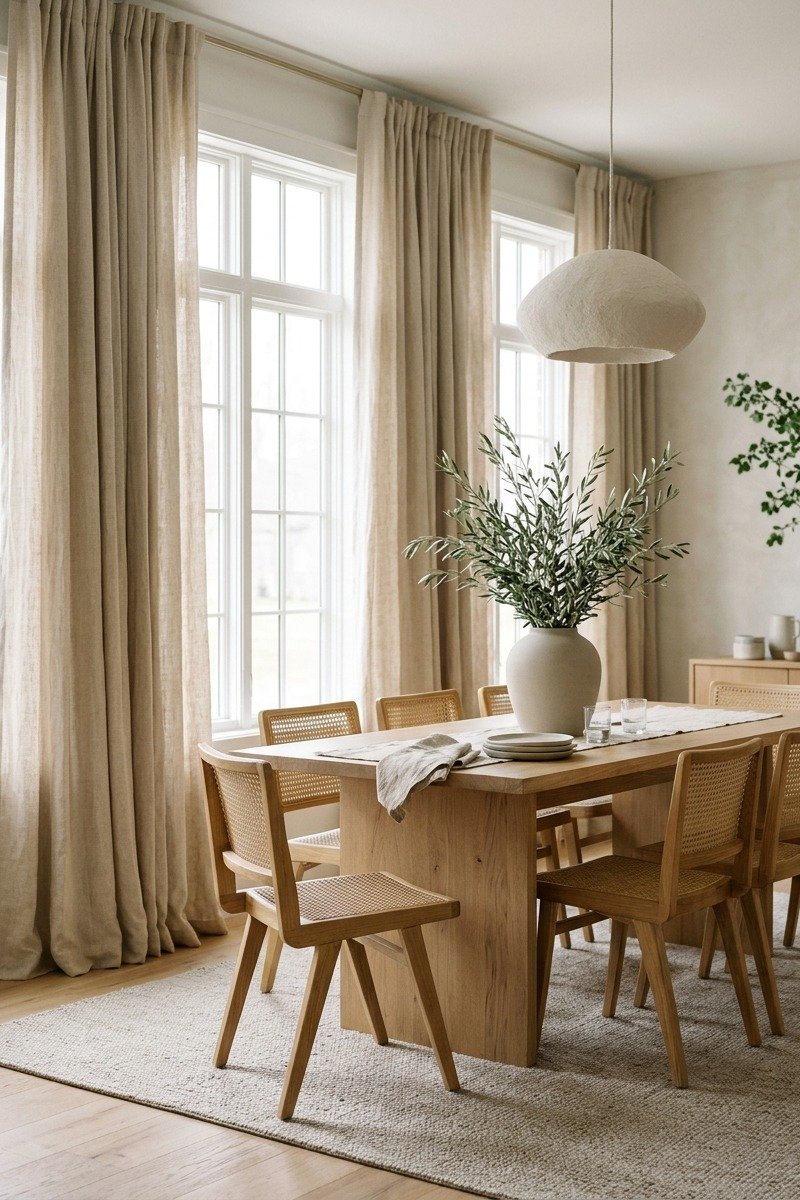
Curtains soften a dining room and help absorb sound, which makes conversations more comfortable.
Natural linen curtains filter daylight beautifully and add a relaxed, elegant texture.
Printed curtains in florals or stripes can bring in color and pattern without committing to wallpaper.
Hang curtain rods high and wide to make windows look larger and ceilings taller.
Let curtains just touch the floor for a tailored finish.
Pro tip: Use a curtain length that kisses the floor. Too-short curtains make a room look unfinished.

19. Elevate the Look With Gold Accents
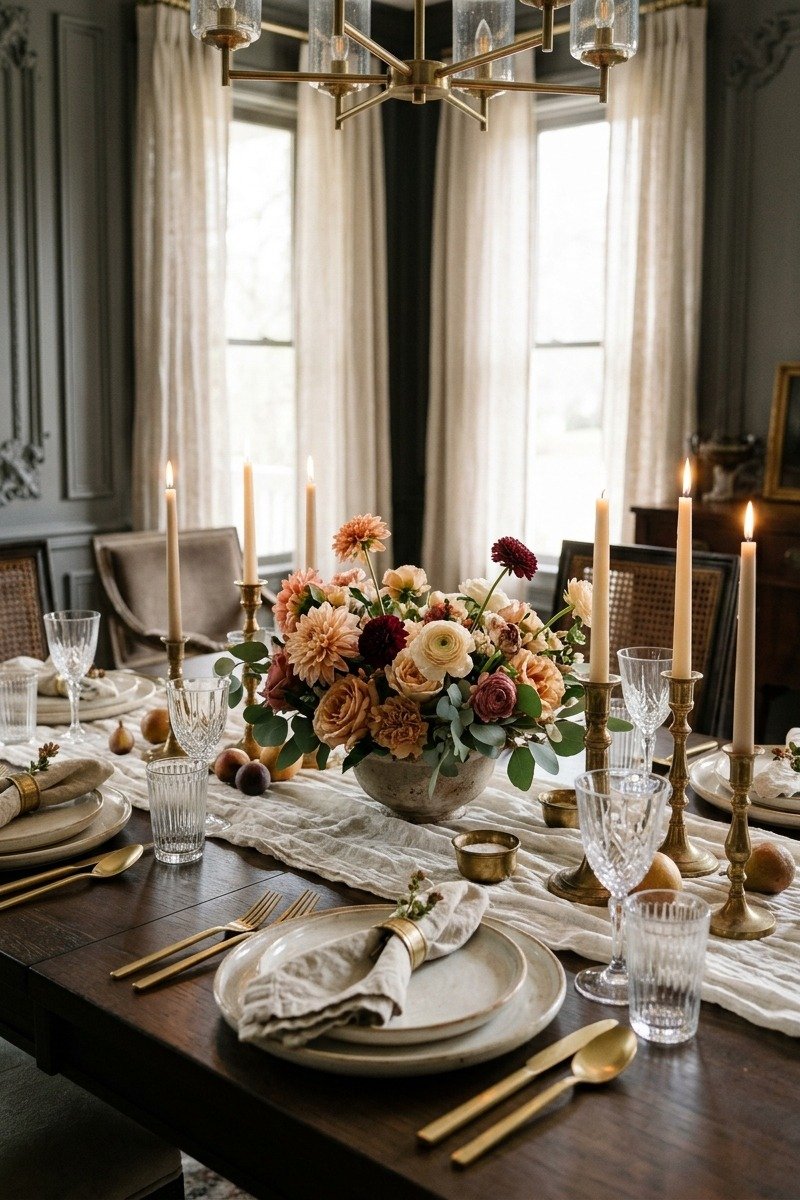
Gold accents add warmth and glamour to the dining room. Brass candlesticks, gold flatware and gilded frames instantly elevate the space.
Mixing gold with white dishes and linen napkins creates a classic, elegant table setting.
Repeat gold in two or three places, like a light fixture, a mirror and the table setting, for a cohesive look.
Brushed and matte golds feel more modern and understated than shiny finishes.
A little gold goes a long way, so balance it with natural textures.
Pro tip: Hand-wash gold flatware to protect the finish and keep it looking bright for years.

20. A Simple, Beautiful Centerpiece
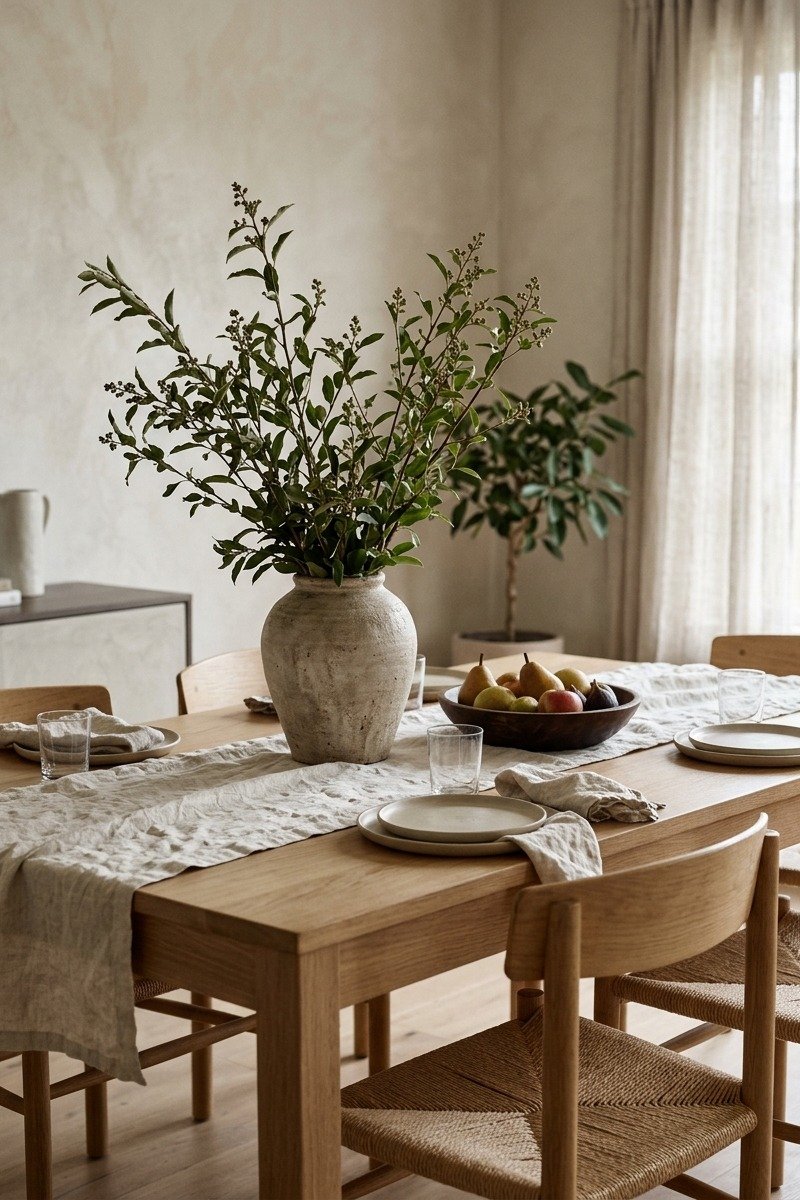
A beautiful centerpiece makes the dining table feel finished even when it isn’t set for a meal.
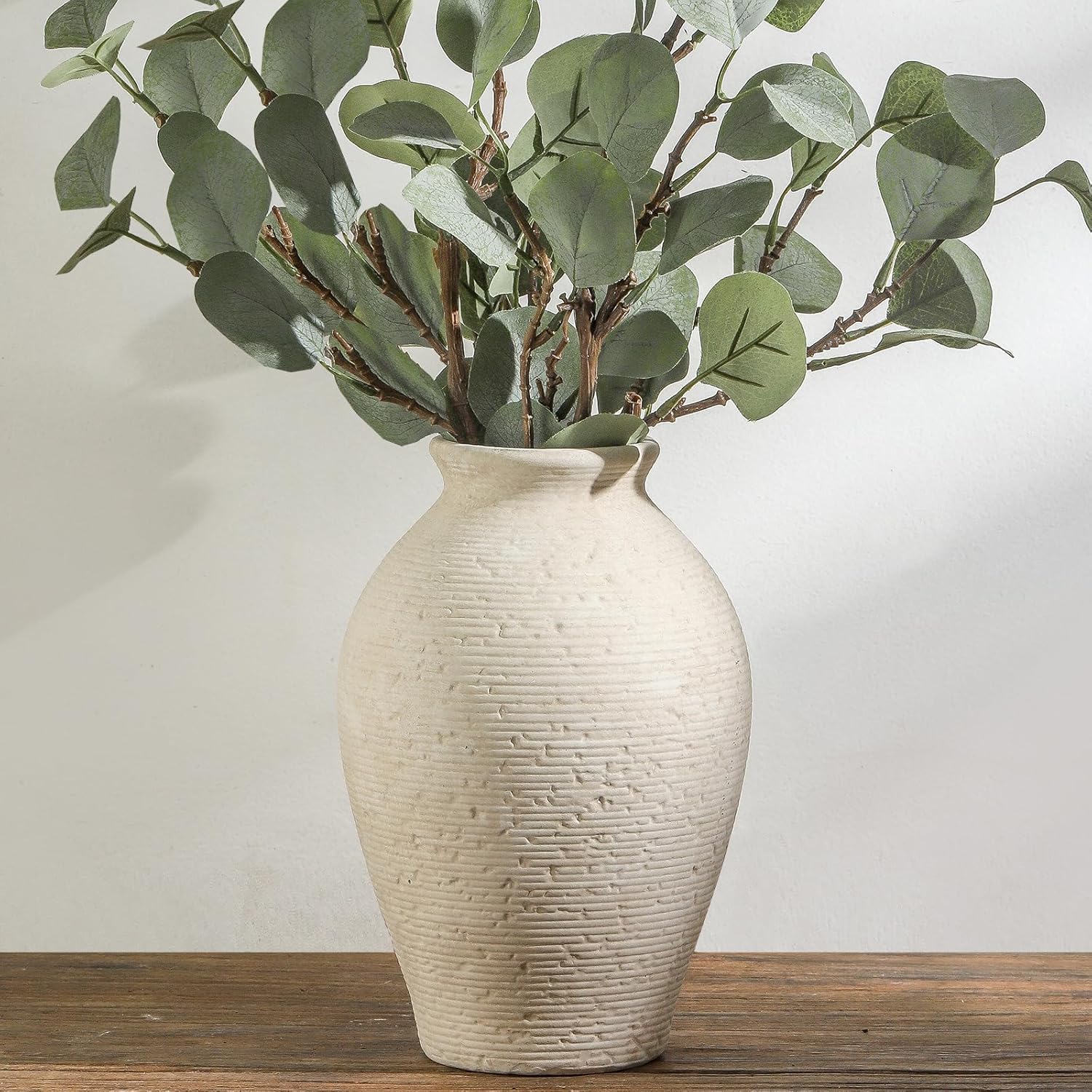
A linen runner, a large vase of seasonal branches and a bowl of fruit is a simple formula that always works.
Keep centerpieces low or very tall, so guests can see each other across the table.
Change the centerpiece with the seasons: tulips in spring, citrus in summer, branches in autumn and evergreens in winter.
Neutral accessories like ceramic vases and wooden bowls work with every season.
Pro tip: Choose a runner about 12 inches shorter than the table, or let it drape 6 to 12 inches over each end.

Storage and Display
21. A Styled Sideboard or Buffet
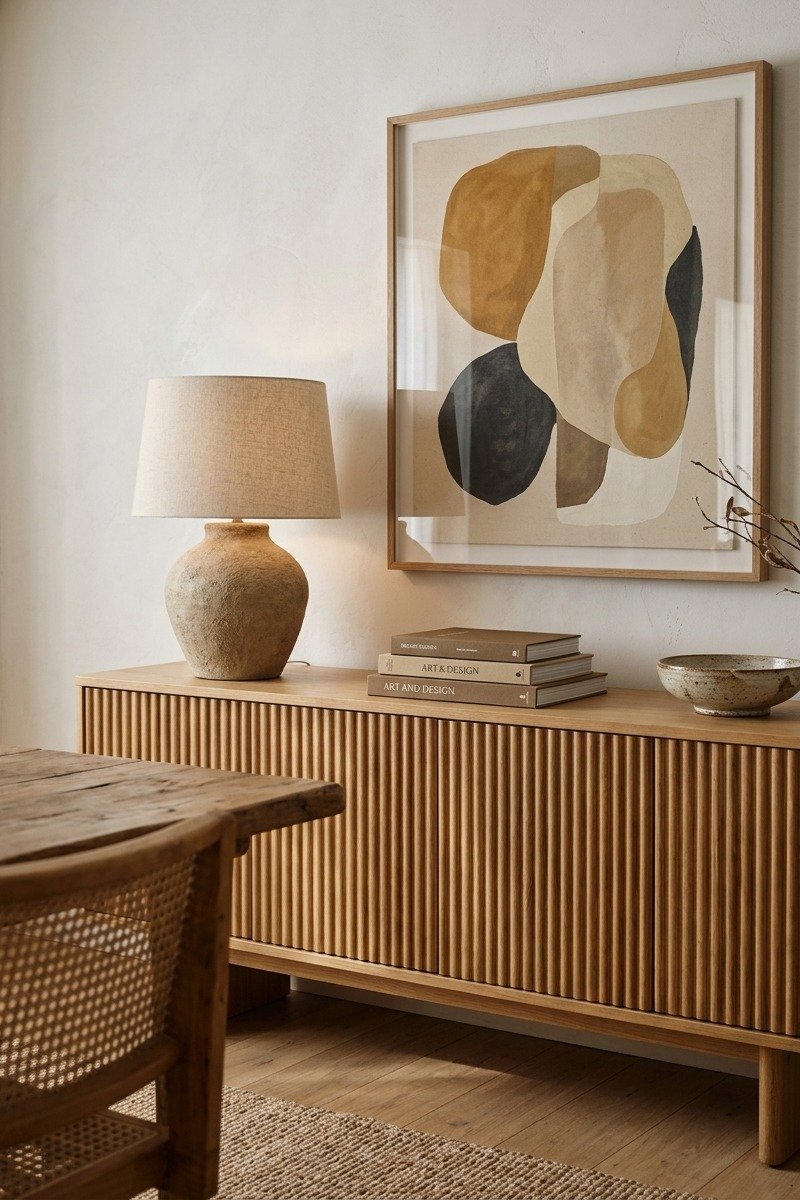
A sideboard or buffet adds valuable storage for dishes, linens and serving pieces, and its top doubles as a serving surface during dinners.
Style it with a lamp, a stack of books, a bowl and a piece of art or mirror above.
Fluted, cane and wood-slat fronts are popular and add texture.
Choose a sideboard about two-thirds the length of the wall it sits on.
Keep the top uncluttered, so it is ready to hold dishes when guests arrive.
Pro tip: Use the rule of three when styling: a tall item, a medium item and a low item create a balanced arrangement.

22. Style a Statement Bookshelf
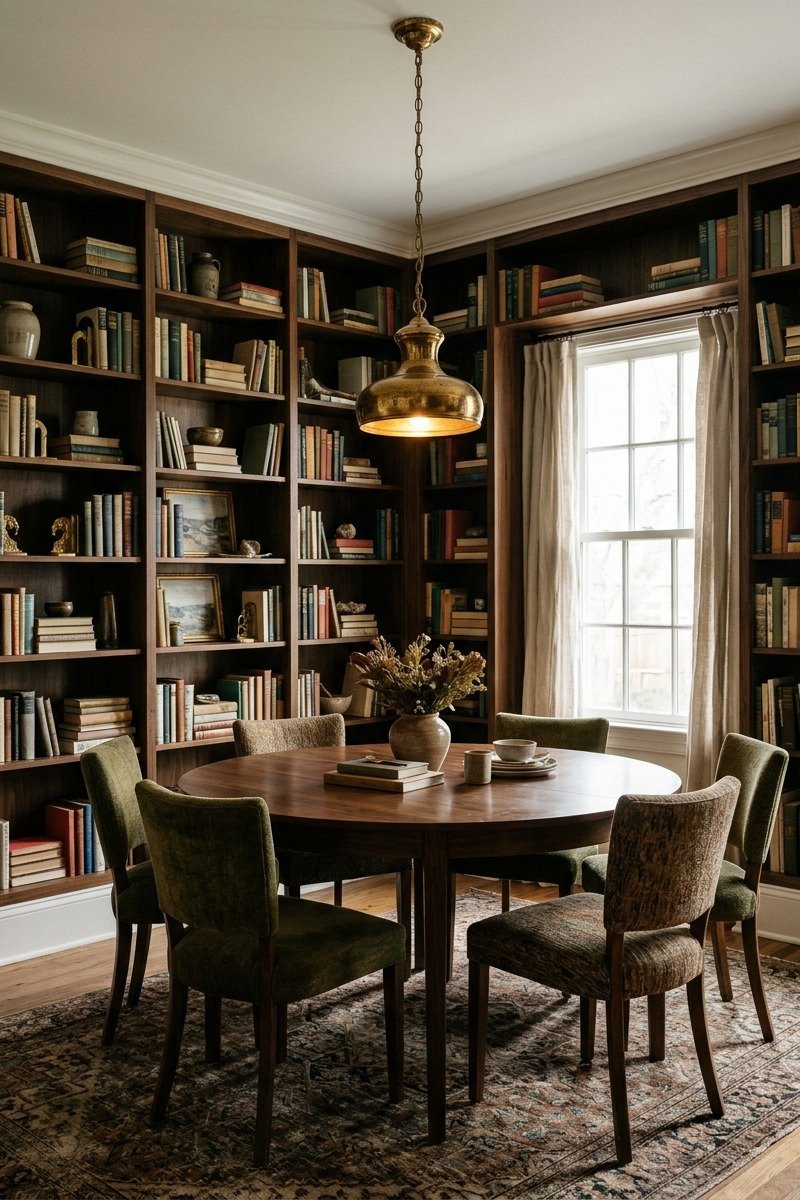
A library dining room combines two loves: good food and good books. Floor-to-ceiling shelves add warmth, color and character.
Books also absorb sound, making the room feel quieter and cozier.
Mix books with ceramics, plants and framed photos to keep shelves from feeling cluttered.
A freestanding bookshelf can give a similar effect if built-ins aren’t possible.
Add a picture light or sconce to highlight the shelves at night.
Pro tip: Arrange books by color or size for a more polished look, and leave some breathing room on every shelf.

23. Show Off Dishes in a Glass Cabinet
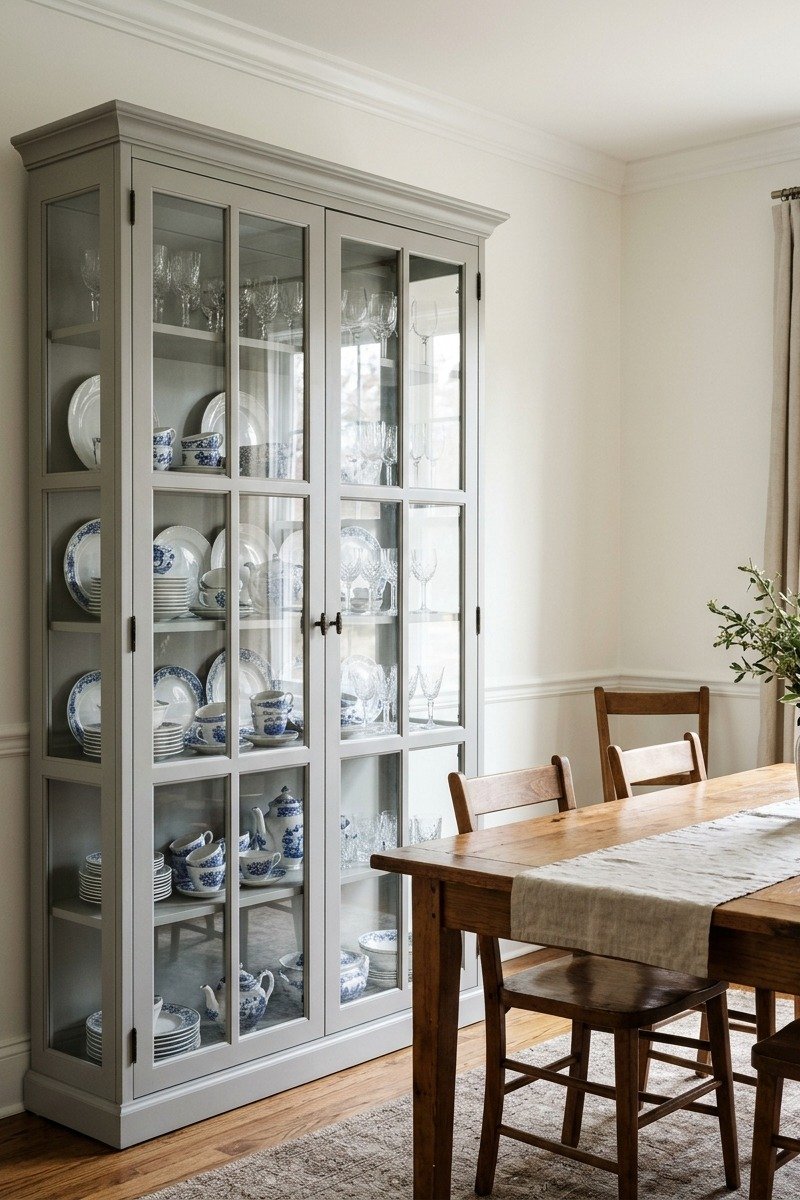
A glass-front cabinet lets you display beautiful dishes, glassware and heirlooms while keeping them dust-free.
Painted cabinets in soft grey, sage or navy look charming against white china.
Arrange pieces by color and size for an orderly look, and add a small LED light for a glow.
This is a great way to use wedding china or vintage finds that otherwise stay hidden.
A display cabinet also adds height to the room, balancing low furniture.
Pro tip: Leave some empty space between items. Overcrowded shelves look cluttered rather than curated.

24. Add a Bar Cart or Drinks Corner
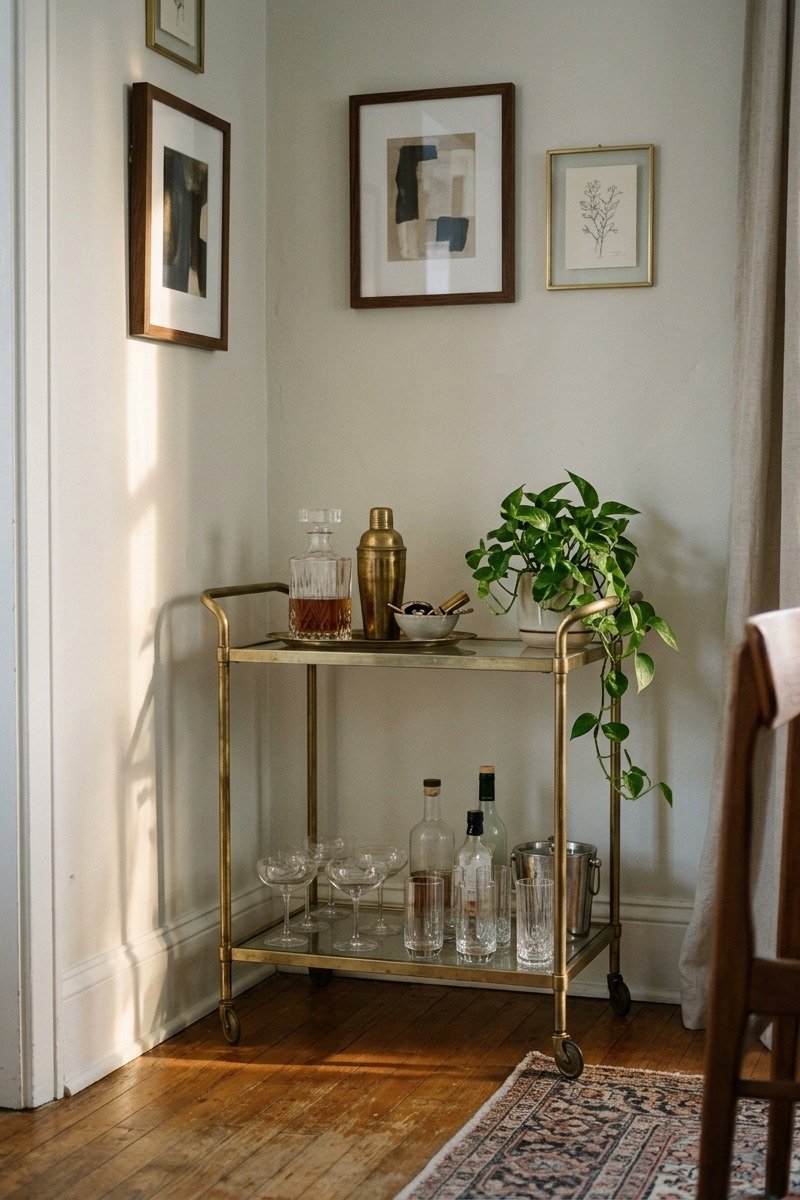
A bar cart adds fun and function to a dining room, giving you a dedicated spot for drinks during dinner parties.
Brass and glass carts feel glamorous, while wood and black metal carts feel modern.
Style it with glassware, a decanter, a cocktail shaker and a small plant or flowers.
Bar carts are portable, so you can wheel them to the living room or patio when entertaining.
A small wall shelf or art above the cart completes the corner.
Pro tip: Keep the cart styled, not crowded. A few beautiful bottles and glasses look better than a full collection.

Style Inspiration
25. Go for a Minimalist Scandinavian Look
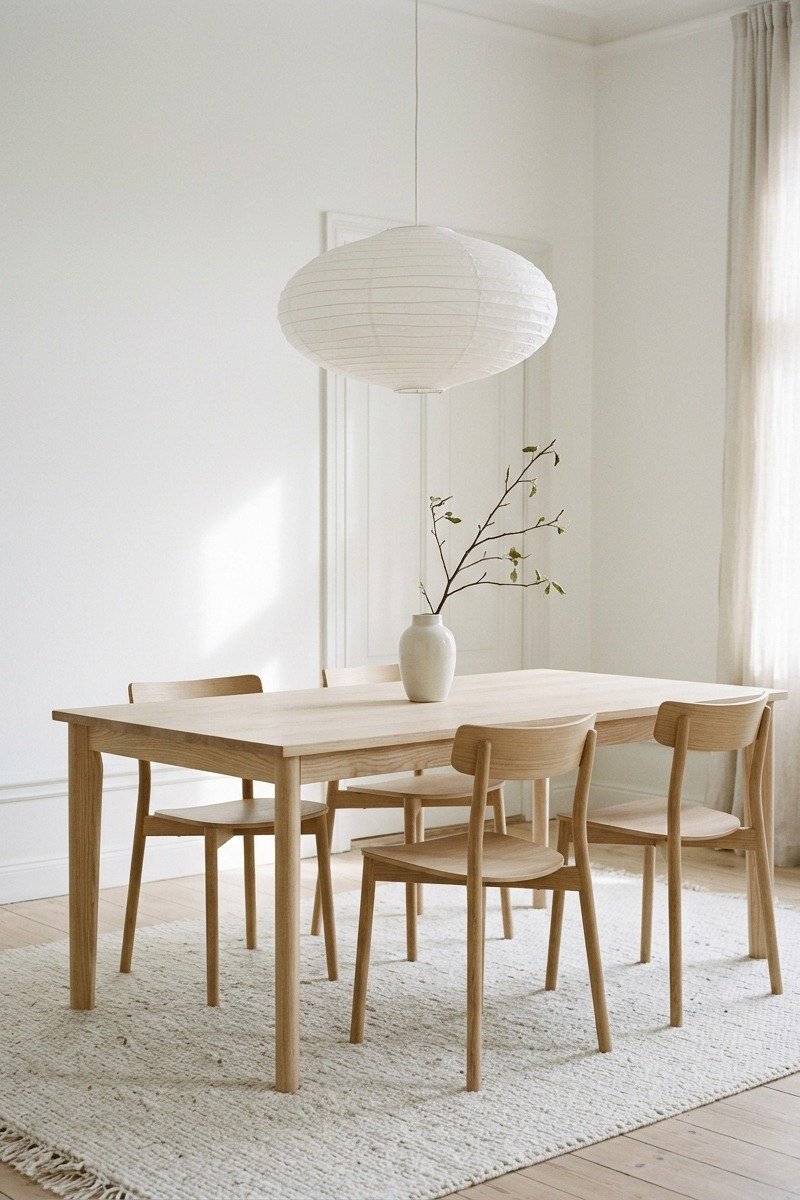
A minimalist Scandinavian dining room is calm, bright and functional. Light wood, white walls and simple shapes create a peaceful space for meals.
Choose a solid ash or oak table, simple wooden chairs and a white paper or glass pendant.
Keep accessories to a minimum, such as one vase, a few ceramics and a soft wool rug.
Natural light is key, so keep windows clear or use sheer curtains.
Add warmth with textiles like linen napkins and sheepskin chair pads.
Pro tip: Edit regularly. Minimalist rooms look best when surfaces stay clear and every item has a purpose.

Keeping Your Dining Room Ready to Use
Clear the table after every meal and keep only a centerpiece on it. A clear table invites people to sit down together.
Store everyday dishes and linens in a sideboard close to the table, so setting it is quick and easy.
Protect wood surfaces with placemats, coasters and a table pad under tablecloths for big dinners.
Refresh the room seasonally with new candles, flowers and textiles to keep it feeling special.
Keep a small basket or drawer for candles, matches, napkin rings and placemats, so you can set a pretty table in minutes whenever guests drop by.
Frequently Asked Questions
What is the best lighting for a dining room?
A chandelier or pendant over the table on a dimmer, combined with wall sconces or lamps, gives the most flexible and flattering light.
How big should a dining room rug be?
The rug should extend at least 24 inches beyond the table on all sides, so chairs stay on it when pulled out.
What color is best for a dining room?
Warm neutrals, sage green, navy and deep green are all popular. Darker colors feel cozy and dramatic, while lighter colors feel fresh and airy.
How much space do you need around a dining table?
Allow about 36 inches between the table and walls or furniture, and 42 to 48 inches in walkways.
Final Thoughts
A dining room is where memories are made, so it deserves thoughtful design. Start with lighting and a comfortable table, then layer in color, texture and the personal touches that make the space yours.
Choose a few ideas from this list that suit your home and lifestyle, and you will have a dining room you love gathering in for years to come.

